
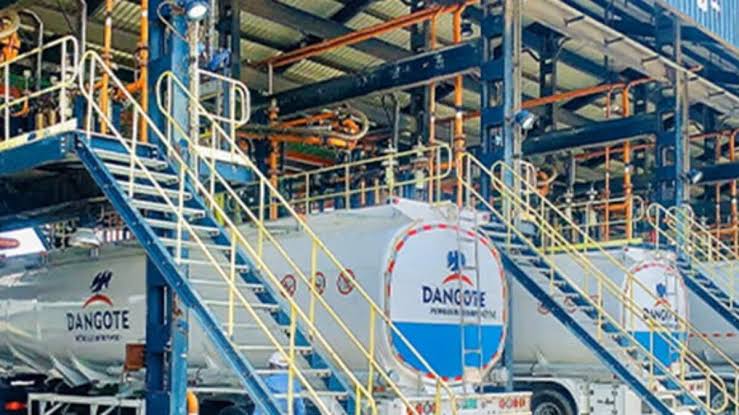
Nigerian motorists may get some relief from high petrol prices before December as increased supplies from the Dangote Refinery could put downward pressure on pump prices in the coming months, although crude oil prices, the naira exchange rate and distribution costs will remain key factors.
The possibility of a price reduction comes after weeks of rising petrol prices across the country. Dangote Refinery recently increased its petrol gantry price to about ₦1,265 per litre, pushing pump prices above ₦1,300 in some parts of Nigeria.
IPMAN Raises Hope of Petrol Price Reduction
The Independent Petroleum Marketers Association of Nigeria (IPMAN) has raised hopes that petrol prices could be reviewed downward as additional supplies enter the market.
The association said increased availability of petrol could give marketers room to reduce pump prices. More products in circulation could also intensify competition among filling stations, encouraging retailers to lower prices in an effort to attract customers.
For motorists and households already dealing with elevated transport and living costs, any sustained reduction in petrol prices could provide some relief.
Crude Oil Prices Remain Key Factor
However, several factors could determine whether the expected reduction becomes a reality.
Global crude oil prices remain particularly important because crude is a major input in petrol production. Higher crude prices can increase refining costs, while a decline in international oil prices could give refiners greater room to lower their selling prices.
Dangote Refinery also needs a reliable supply of crude to maintain high production levels. Industry stakeholders have repeatedly called for more consistent crude supplies to Nigerian refineries, arguing that stable access to crude could help domestic refiners increase output and operate more efficiently.
Dangote Refinery Reshapes Nigeria’s Fuel Market
The Dangote Refinery has already changed the structure of Nigeria’s petrol market by increasing domestic refining capacity and reducing the country’s dependence on imported fuel.
However, domestic supply has not always been consistent. Data cited by industry sources showed that petrol supplies from the refinery declined in July, prompting an increase in imports to help make up part of the shortfall.
The development highlights the importance of maintaining strong refinery output and ensuring adequate crude supplies. A disruption in either area could limit the amount of locally refined petrol available to consumers and put renewed pressure on prices.
Will Petrol Prices Fall Before December?
A sustained decline in petrol prices before December is possible, but it is not guaranteed.
Prices could come down if global crude oil prices weaken, the naira remains relatively stable and Dangote Refinery maintains higher production levels. Increased competition among suppliers could also put additional pressure on marketers to review pump prices.
For now, motorists will be watching developments at Dangote Refinery and across the downstream petroleum market closely. The coming months will determine whether the recent increase in petrol prices will ease before the end of 2026.