
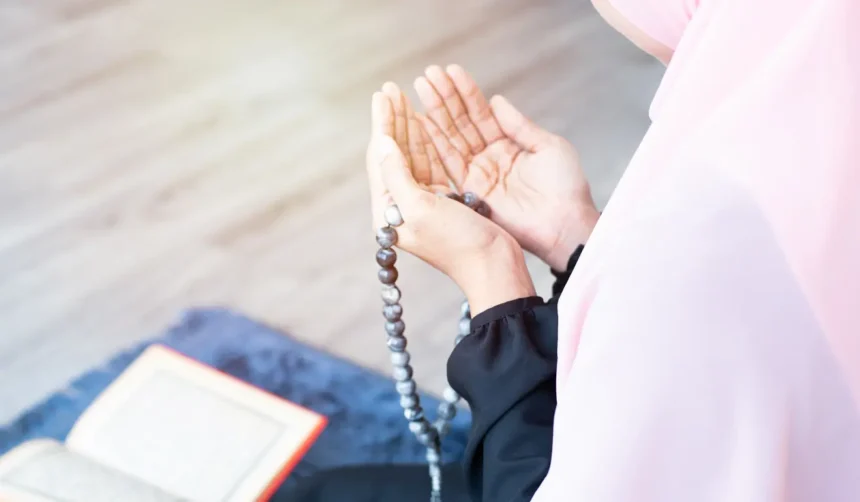
For Muslims, Friday, known as Jumu’ah, is not simply the final day of the week. It is a day given a special status in Islam, marked by congregational prayer, remembrance of Allah, increased supplication and abundant blessings upon Prophet Muhammad (peace and blessings be upon him).
The Qur’an itself gives Friday a distinct place through Surah Al-Jumu’ah, Chapter 62. Allah commands believers that when the call to the Friday prayer is made, they should proceed to the remembrance of Allah and leave their business. After the prayer, they are permitted to return to their activities while continuing to remember Allah.
The Prophet Muhammad (peace and blessings be upon him) also described Friday as the best day of the week.
Why Friday Is Special
Abu Hurairah reported that the Prophet said: “The best day on which the sun has risen is Friday.”
The hadith, recorded in Sahih Muslim, explains that Adam was created on Friday, admitted into Paradise on Friday and expelled from it on Friday. Another narration adds that the Last Hour will also occur on a Friday.
The significance of Friday therefore goes beyond the Friday congregational prayer. It is a day associated with some of the major events in human history and the Hereafter.
Classical scholars have also discussed the virtues of Friday. Imam al-Nawawi, while commenting on the relevant hadith, explained that the mention of these major events highlights the special status of Friday and encourages believers to make good use of the day through righteous deeds.
The Special Hour When Du’a Is Accepted
One of the greatest virtues of Friday is the existence of a special period during which supplications are particularly likely to be answered.
The Prophet said:
“There is a time on Friday at which no Muslim would ask Allah for what is good but He would give it to him.”
This narration is recorded in Sahih Muslim 852, where the Prophet also indicated that the period is very short.
This does not mean that Allah only hears prayers during that period. Muslims believe that Allah hears and knows all supplications at all times. Rather, the hadith identifies a special period on Friday in which Allah has promised a particular virtue for sincere supplication.
The exact time of this special hour has been the subject of scholarly discussion because several authentic narrations point to different periods.
When Is the Hour of Acceptance?
One authentic narration places the special period between the time the imam sits on the minbar for the Friday sermon and the completion of the Friday prayer.
Abu Burdah ibn Abi Musa reported that Abdullah ibn Umar asked whether his father had heard the Prophet speak about the Friday hour. The answer was that it occurs “between the time when the Imam sits down and the end of the prayer.”
This narration is recorded in Sahih Muslim 853.
Another well-known scholarly view places the hour in the latter part of Friday, particularly before sunset after Asr.
Ibn al-Qayyim discussed the various opinions and identified two views supported by authentic reports: the period from when the imam sits on the minbar until the Friday prayer ends, and the period after Asr until sunset. He regarded the latter as the stronger view, while acknowledging the evidence for both.
Because the exact moment has not been definitively specified, a Muslim does not need to restrict supplication to one minute or one precise clock time. A practical approach is to increase du’a throughout Friday, with particular attention to the period of Jumu’ah and the final part of the day after Asr until sunset.
This uncertainty can itself be viewed as an encouragement to spend more of Friday in remembrance and supplication rather than waiting for a specific minute.
What Should Muslims Ask Allah For?
The hadith says the special hour concerns asking Allah for “what is good.” Muslims can therefore use Friday to ask Allah for forgiveness, guidance, sound faith, protection from hardship, lawful provision, good health, success in beneficial endeavours, mercy for parents and family, and goodness in this life and the Hereafter.
Among the most comprehensive Qur’anic supplications is:
“Rabbana atina fid-dunya hasanatan wa fil-akhirati hasanatan wa qina ‘adhaban-nar.”
“Our Lord! Give us that which is good in this world and that which is good in the Hereafter, and protect us from the punishment of the Fire.”
A Muslim may also make personal supplications in whatever language he or she understands, particularly outside the formal Arabic wording of prescribed prayers.
Why Muslims Should Send Salawat on Friday
Another important Sunnah of Friday is increasing salawat — sending blessings and peace upon Prophet Muhammad (peace and blessings be upon him).
Allah explicitly commands believers in the Qur’an:
“Indeed, Allah and His angels shower blessings upon the Prophet. O believers! Invoke Allah’s blessings upon him, and salute him with worthy greetings of peace.”
This is Qur’an 33:56.
The verse is particularly significant because the command to believers follows the statement that Allah and His angels send blessings upon the Prophet. Classical tafsir, including the commentary attributed to Al-Sa’di, explains the verse as a command for believers to honour the Prophet, follow him and increase their blessings and peace upon him.
The Prophet also specifically encouraged Muslims to increase their salawat on Friday.
Aws ibn Aws reported that the Prophet said Friday is among the best of days and instructed Muslims to send abundant blessings upon him on that day because their blessings are presented to him. The narration is recorded in Sunan Abi Dawud 1047 and is graded authentic by Al-Albani.
Another version, Sunan Abi Dawud 1531, carries the same instruction and is also graded authentic.
Therefore, Friday is an especially appropriate day for Muslims to make salawat frequently.
The Reward for Sending Salawat
Sending blessings upon the Prophet is not merely a cultural expression of love. There is a specific reward mentioned in authentic hadith.
The Prophet said:
“Whoever blesses me once, Allah would bless him ten times.”
This is recorded in Sahih Muslim 408.
Thus, when a Muslim says:
“Allahumma salli wa sallim ‘ala Muhammad”
or sends the longer salawat taught by the Prophet, the act carries spiritual reward.
The Prophet also taught his Companions how to send salawat, including the well-known Salat al-Ibrahimiyyah:
“Allahumma salli ‘ala Muhammadin wa ‘ala ali Muhammad, kama sallayta ‘ala ali Ibrahim, innaka Hamidun Majid…”
A version of this wording is recorded in Sahih Muslim 407.
Other Sunnahs of Friday
Friday also provides Muslims with an opportunity to renew their commitment to cleanliness, good appearance, congregational worship and attentive listening to the khutbah.
A narration in Sunan Abi Dawud mentions bathing on Friday, wearing one’s best clothes, using perfume where available, attending the congregational prayer, avoiding stepping over people and remaining silent while the imam delivers the sermon. The report describes these practices as a means of expiation for sins between Fridays and is graded Hasan by Al-Albani.
The Prophet also encouraged Muslims to arrive early for Jumu’ah. Sahih Muslim records that angels stand at the doors of the mosque and record people according to the order of their arrival. The earlier a person arrives, the greater the reward described in the hadith. When the imam comes out, the angels stop recording and listen to the remembrance.
The Qur’an similarly commands believers to leave business when the call to Friday prayer is made and proceed to the remembrance of Allah.
A Practical Friday Routine
For Muslims seeking to make the most of Friday, the day can be approached deliberately.
Begin the day with sincere repentance and remembrance of Allah. Observe the recommended cleanliness and prepare properly for Jumu’ah. Read Qur’an, make abundant dhikr and send frequent salawat upon Prophet Muhammad (peace and blessings be upon him).
Attend Jumu’ah early where possible, listen attentively to the khutbah and avoid unnecessary conversation during the sermon.
After the prayer, continue remembering Allah and seeking His bounty, as instructed in Surah Al-Jumu’ah 62:10.
As Friday approaches its final hours, increase personal supplication, particularly after Asr and before sunset, while also making du’a during the period of Jumu’ah identified in the hadith.
Friday Is an Opportunity, Not a Guarantee of Immediate Answers
The promise concerning the Friday hour should not be misunderstood as meaning that every request will necessarily appear immediately in the exact form a person desires.
The central principle remains that Allah knows what is best for His servants. The believer therefore asks with sincerity, humility and trust, while continuing to worship Allah whether or not the answer appears immediately.
The special hour of Friday is an invitation to turn to Allah with greater concentration.
It is also important to distinguish between what is established by revelation and popular claims. The Qur’an and authentic Sunnah establish the virtue of Friday, the special hour of accepted supplication and the recommendation to increase salawat upon the Prophet. They do not establish a specific universal clock time that every Muslim can identify in advance.
For that reason, the safest approach is not to wait for a particular minute. Instead, Muslims should make Friday a day of increased worship from its beginning to its end.
Friday combines the congregational prayer, remembrance, Qur’anic instruction, opportunities for forgiveness, a special period for supplication and a specific encouragement to send abundant blessings upon Prophet Muhammad (peace and blessings be upon him).
The message is therefore clear: Friday should not be treated as an ordinary day.
It is a weekly opportunity to pause from worldly distractions, return to Allah, strengthen one’s relationship with the Qur’an and Sunnah, pray for oneself and others, and express love and gratitude for the Messenger of Allah.
As the Prophet taught, Friday is among the best days, and within it lies a brief period in which a believer who asks Allah for good may have that supplication answered.
May Allah accept the supplications of Muslims, forgive our shortcomings, grant us what is good in this life and the Hereafter, and shower His blessings and peace upon Prophet Muhammad, his family and his Companions. Ameen.