
Nigeria’s Federal Government has renewed its push to strengthen climate resilience. It is refocusing attention on the Agro-Climatic Resilience in Semi-Arid Landscapes (ACReSAL) project as environmental threats rise.
Floods, desertification, and irregular rainfall continue to hit communities across the country. These conditions disrupt farming, destroy homes, and threaten livelihoods. The growing impact has increased pressure on authorities to act faster and more effectively.
The ACReSAL project, supported by the World Bank, targets land restoration, better water management, and climate-smart farming. It focuses mainly on northern Nigeria, where environmental damage is most severe.
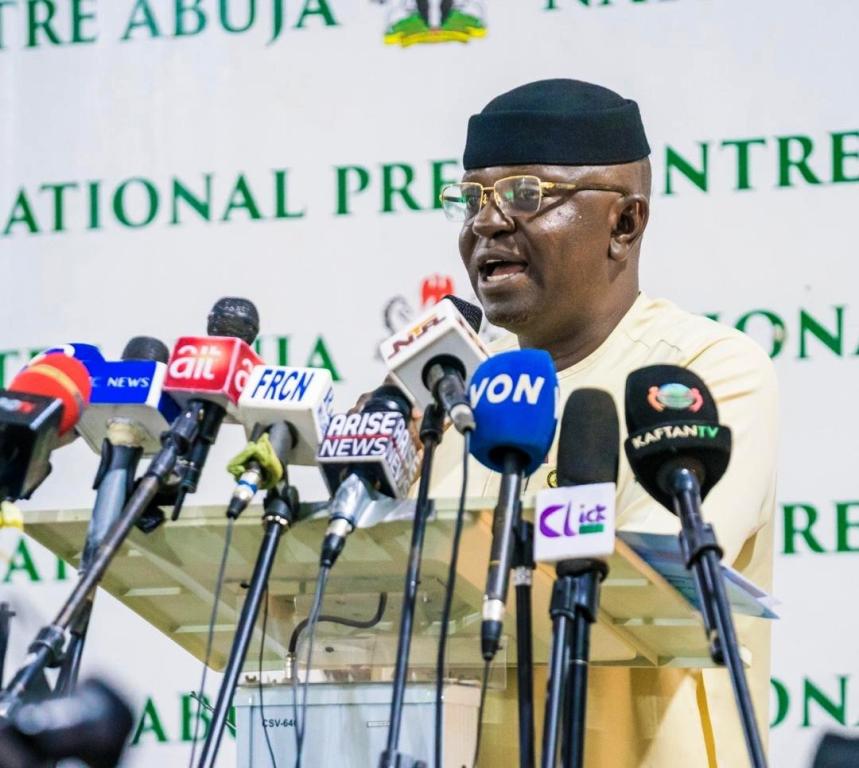
Minister of Water Resources and Sanitation, Joseph Utsev, recently called for faster implementation. He stressed the need to improve flood forecasting, expand water infrastructure, and strengthen coordination among stakeholders.
Climate change now poses a direct threat to food security and economic stability. Many communities already face the effects of extreme weather. This reality makes urgent action more critical than ever.
Past environmental programmes have struggled with funding gaps and weak execution. Poor coordination at state and local levels has also slowed progress. These issues could affect the success of ACReSAL if they persist.
The government’s renewed push shows a stronger sense of urgency. However, real progress will depend on clear execution and accountability. Nigerians will measure success by visible results, not promises.