


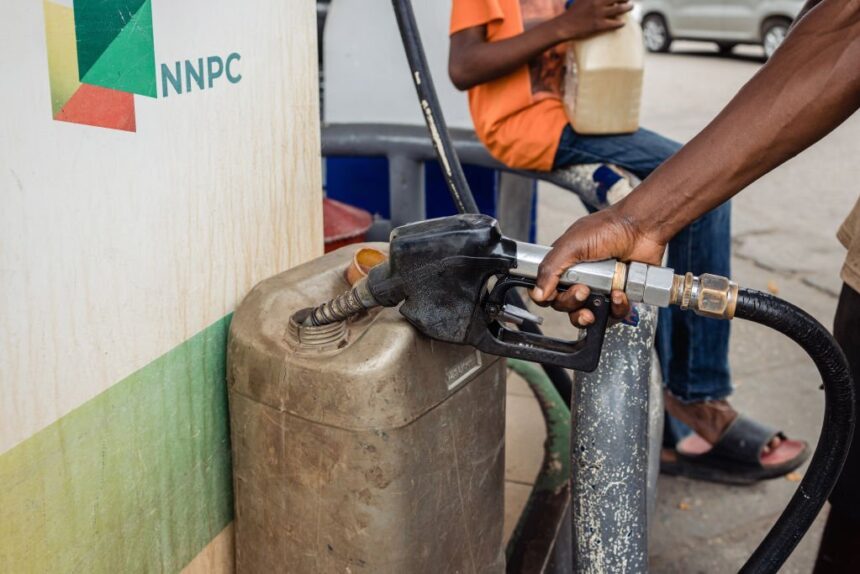
Major petroleum marketers in Nigeria have reduced petrol prices following a ₦51 per litre cut by the Dangote Petroleum Refinery.
The price adjustment has affected NNPC, NIPCO, AA Rano and AP filling stations. It offers some relief to motorists facing high fuel costs.
A market survey conducted on Tuesday, November 17, showed varying pump prices across outlets.
AA Rano, NIPCO and AP stations in Abuja and surrounding areas sold petrol between ₦1,350 and ₦1,385 per litre.
NNPC retail outlets maintained a lower price of ₦1,325 per litre. Meanwhile, MRS, Ranoil and Empire Energy sold between ₦1,399 and ₦1,420.
The adjustments followed Dangote Refinery’s reduction of its petrol gantry price.
The refinery cut its price from ₦1,210 to ₦1,159 per litre. This represents a reduction of ₦51, or approximately 4.2 per cent.
The latest adjustment has increased pressure on petroleum marketers. They must now review their prices to remain competitive.
The development could provide relief to motorists and businesses that depend on petrol.
For example, a motorist buying 50 litres at ₦1,325 instead of ₦1,420 saves ₦4,750.
Transport operators and manufacturers could also benefit from sustained price reductions. Lower fuel costs may reduce transportation and production expenses.
However, cheaper petrol does not automatically guarantee lower transport fares or food prices.
Distribution costs, transportation expenses and marketers’ profit margins still influence pump prices.
The latest development reflects growing competition between locally refined petrol and imported products.
Imported petrol’s estimated price parity stands at about ₦1,063 per litre. This is approximately ₦96 below Dangote’s revised gantry price.
The price difference could increase pressure on local refiners. They may need to maintain competitive prices to attract marketers.
However, the benefits remain uneven across filling stations. Some outlets have yet to reflect the latest reduction.
For now, motorists may need to compare prices before purchasing fuel.
The major question is whether these reductions will continue. Nigerians will also be watching to see whether cheaper petrol translates into lower transportation, food and production costs.