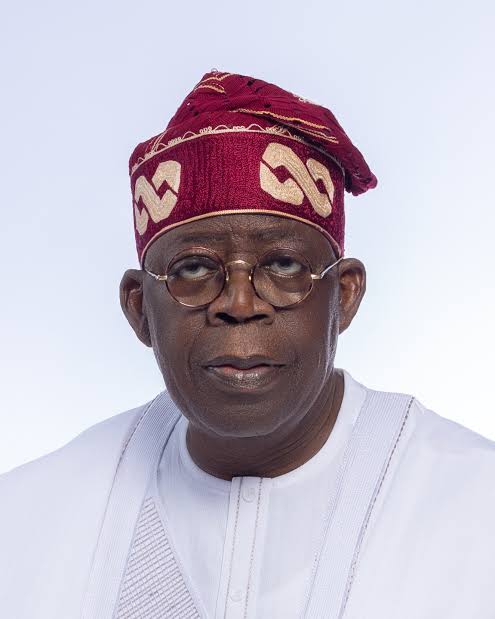
In Nigeria, President Bola Ahmed Tinubu often becomes the first name citizens mention when something goes wrong, Fuel prices rise, tinubu gets the blame, food becomes more expensive, the President faces criticism, even a bad road in a local community can quickly become a Federal Government issue in public discussions.
This reaction points to a bigger problem in Nigerian politics. Many citizens do not always understand where responsibility lies between the federal, state and local governments.
As President and Commander-in-Chief, Tinubu has enormous powers and responsibilities. His administration makes major national decisions that affect millions of Nigerians.
The removal of petrol subsidy offers a clear example. The policy changed fuel prices and contributed to higher transportation and living costs across the country. Nigerians therefore have every reason to question the Federal Government about policies within its control.
However, not every problem starts in Abuja.
Who Is Responsible for Local Problems?
A damaged community road may fall under state or local government responsibility, depending on the road. A neglected primary health facility may also involve state or local authorities. Waste management, local markets and other community services can similarly involve lower levels of government.
Yet, public attention often remains fixed on the President.
Many Nigerians may know Tinubu’s name but struggle to identify their local government chairman, state lawmaker or representative in the National Assembly. That gap can weaken accountability at the community level.
Local Leaders Also Need Scrutiny
Political accountability should not stop at Aso Rock.
Residents should ask their local government chairman what happened to funds meant for community projects. They should question governors about state programmes and public spending. State lawmakers should also explain how they represent their constituencies.
Members of the National Assembly deserve scrutiny too, but citizens must understand their roles. A senator does not run a local government, while a House of Representatives member does not control a state ministry.
Knowing these differences makes political criticism more effective.
Blaming Tinubu Is Not Always Enough
None of this means Nigerians should stop questioning Tinubu.
The President must answer for federal policies, national spending, security, economic reforms and other responsibilities attached to his office. Citizens have every right to demand explanations when federal decisions affect their lives.
At the same time, citizens should extend that same energy to leaders closer to home.
When a community road remains abandoned for years, residents should find out which government controls it. When a local health centre lacks basic facilities, people should ask who receives the money meant to maintain it.
That approach can prevent politicians at other levels from escaping scrutiny simply because the President is more visible.
Democracy Requires More Than Voting
Democracy does not end when Nigerians cast their ballots.
Citizens must follow government decisions, monitor public projects and question leaders at every level. Political knowledge also matters because people cannot demand accountability effectively when they do not know who controls a particular responsibility.
Tinubu may be the most visible political figure in Nigeria, but he is not the only person responsible for how Nigerians experience government.
A stronger democracy begins when citizens know whom to question, what to demand and who is responsible.