Civil society organisations and residents of Bille community in Degema Local Government Area of Rivers State are calling on the Federal Government to declare an emergency over escalating gas emissions in the community warning that continued inaction could trigger a major environmental and humanitarian disaster.
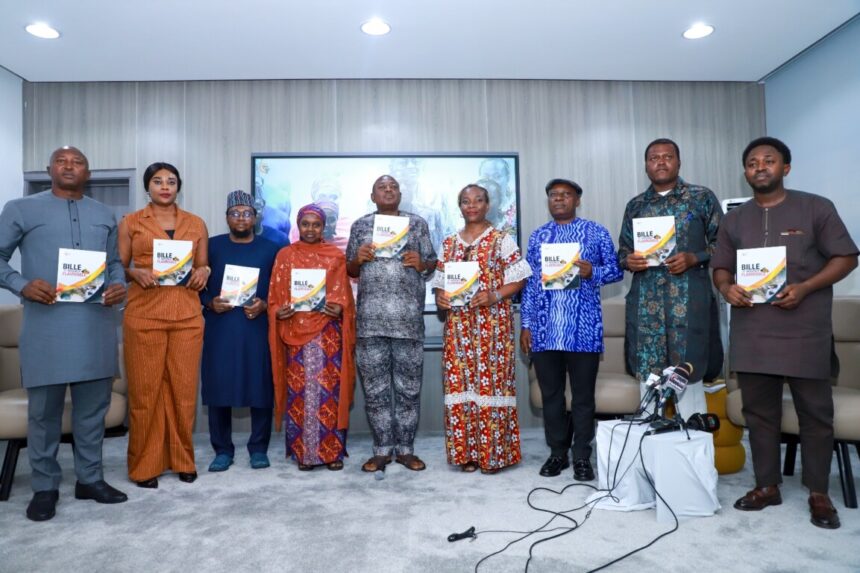
The call was made in Abuja during the presentation of a documentary and report titled “Bille Is Highly Flammable,” produced by the Corporate Accountability and Public Participation Africa, CAPPA, a civil society organisation.
The report documents the environmental and health challenges confronting the oil-producing island community.
CAPPA Executive Director, Akinbode Oluwafemi, said residents had reported gas bubbling from wells, compounds, creeks, mangrove swamps and school grounds since October 2025.
He said the emissions had polluted the air, contaminated groundwater, triggered fires and caused health concerns, while also disrupting children’s education and threatening the fishing livelihoods of residents.
Oluwafemi said a CAPPA field visit to Bille on July 6, 2026, found residents complaining of rashes, persistent itching, respiratory problems and vomiting.
He said residents were particularly concerned that accumulated gas could ignite at any time.
Government agencies, including the National Oil Spill Detection and Response Agency, NOSDRA, the Nigerian Upstream Petroleum Regulatory Commission, NUPRC, and the Federal Ministries of Environment and Petroleum Resources, have reportedly visited affected areas and collected soil, water and gas samples.
According to CAPPA, preliminary investigations detected elevated levels of methane, hydrogen sulphide and carbon dioxide, alongside groundwater contamination and deteriorating air quality.
However, the organisation said emergency support provided to the community remained inadequate.
Oluwafemi cited a fire truck donated by NNPC Limited, which he said remained locked and unused because there was no trained operator or emergency crew available to operate it.
He also noted that the community’s narrow access routes make it difficult for conventional emergency vehicles to reach affected areas.
CAPPA is demanding the immediate release of environmental and health test results, a comprehensive audit of oil and gas infrastructure in Bille, and the repair, isolation or decommissioning of unsafe facilities.
The organisation also called for continuous provision of potable water, free medical screening and treatment, health monitoring, temporary learning facilities, an emergency response and evacuation plan, livelihood support and compensation for affected households.
The Vice President of the Bille Kingdom Youth Federation, Timothy Agunbiade, said the situation was worsening, with gas bubbling now reported in areas that previously showed no visible activity.
Agunbiade said residents had suffered health problems, including persistent rashes, throat dryness and loss of voice.
He also said the crisis had damaged mangroves and disrupted fishing activities, which remain a major source of livelihood for the community.
Agunbiade, who identified himself as a trained disaster manager, expressed concern that the emissions could be linked to ageing or abandoned oil and gas infrastructure.
He alleged that four major fire incidents had occurred in the community, including one on May 14 that nearly claimed four lives.
Also calling for urgent action, Founder and Team Lead of Miideekor Environment Development Initiative, Celestine Akpobvare, said the situation required immediate government intervention.
Akpobvare urged the Federal Government to consider declaring a state of emergency in Bille and other affected parts of the Niger Delta.
He also said residents should be evacuated if scientific assessments confirm an imminent risk of explosion or other catastrophic consequences.
For Ahmad Abdulsamad of the Natural Resources Governance Institute, the situation reflects weaknesses in the enforcement of existing environmental regulations.
He argued that Nigeria needs stronger implementation of existing environmental laws rather than simply introducing new policies.
Similarly, Ahmed Lawal of the Centre for Leadership Strategy and Development, Centre LSD, described the situation as a potentially devastating environmental and humanitarian crisis.
Lawal called for a stronger government response and urged civil society organisations to mobilise wider public support for urgent intervention.
The stakeholders said the Bille crisis goes beyond environmental pollution, raising concerns about public health, livelihoods, human dignity, environmental justice and government accountability.
CAPPA has consequently urged the media to sustain coverage of the situation, monitor government commitments and ensure that the concerns of Bille residents remain part of the national conversation until a lasting solution is found.