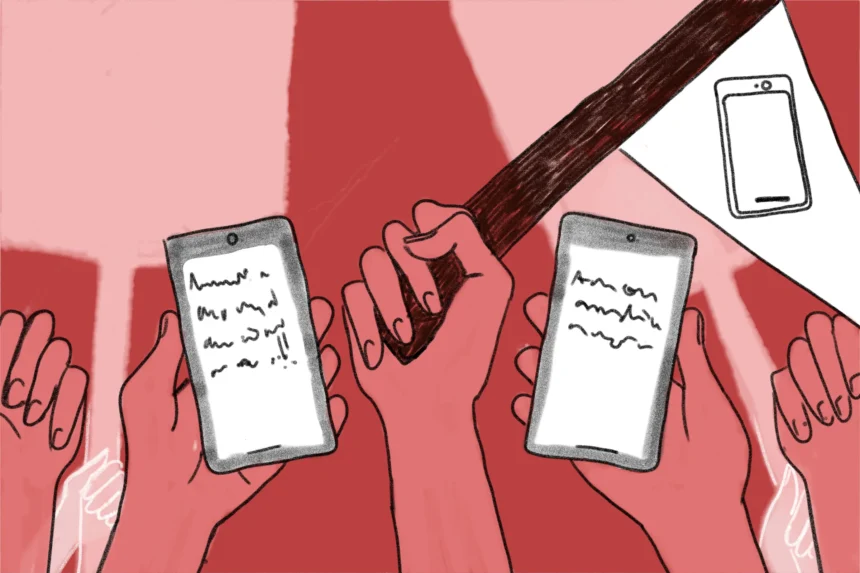
Online activism in Nigeria has transformed how citizens engage with politics, demand accountability, and challenge poor governance, Every day, millions of Nigerians use social media to highlight corruption, insecurity, unemployment, and economic hardship.
While these digital campaigns create awareness and spark national conversations, online activism in Nigeria cannot deliver lasting democratic change without sustained action beyond the screen.
Social Media Has Changed Civic Engagement
No one can deny that online activism has transformed political participation in Nigeria. Platforms such as X, Instagram, Facebook, TikTok, and WhatsApp have given ordinary citizens a voice that traditional media could not always provide.
Stories that once remained hidden now reach millions within minutes. Citizens expose injustice, demand accountability, raise funds for victims, and organize support faster than ever before.
The impact is undeniable. Digital campaigns have drawn national and international attention to important issues. Public officials have responded to sustained online pressure, while some government agencies have reversed unpopular decisions after widespread criticism. Social media has become a powerful civic tool.
Yet one important reality remains.
Online activism alone cannot transform a nation.
Awareness Is Only the Beginning
A democracy does not grow stronger because a topic trends for two days. Instead, it grows stronger when citizens participate consistently in the institutions that shape public life.
Many Nigerians now confuse visibility with victory. A post that attracts one million views may create awareness, but awareness represents only the first step. Real political change demands sustained action that continues after the hashtags disappear.
Too often, public outrage ends with a repost.
Many people like a post, leave an angry comment, share it with friends, and move on. Meanwhile, elected officials continue making decisions, approving budgets, awarding contracts, and implementing policies without facing sustained public engagement.
That is where online activism reaches its limit.
Nigeria Needs Citizens Who Show Up
Nigeria’s political system responds to organized participation, not temporary outrage.
Politicians pay attention to citizens who attend town hall meetings, question elected representatives, monitor constituency projects, submit petitions, join civil society organisations, volunteer during elections, and participate in peaceful advocacy. These actions create lasting pressure because leaders cannot easily ignore them.
Democracy demands more than opinions.
It demands participation.
Showing up means registering to vote and casting a ballot. It means holding elected officials accountable after elections instead of waiting for another crisis. Citizens should attend community meetings where local decisions take shape. They should support credible advocacy groups that work throughout the year. They should also monitor government spending, write to legislators, follow public hearings, and encourage others to engage in lawful civic activities.
These actions rarely trend online, but they often produce meaningful results.
Digital Activism Should Lead to Real Action
None of this suggests that Nigerians should abandon online activism.
Digital platforms remain essential for exposing injustice, mobilizing support, educating the public, and connecting citizens across the country. In many cases, social media provides the spark that starts important national conversations.
However, the internet should serve as the starting point, not the final destination.
Successful movements move beyond viral posts. They build organised communities, educate voters, support advocacy groups, monitor public institutions, pursue legal action when necessary, and maintain pressure long after public attention fades.
The Future of Nigeria’s Democracy
Nigeria does not suffer from a shortage of voices.
The country suffers from a shortage of sustained civic participation.
Democracy will not become stronger because another hashtag dominates social media. It will improve when millions of Nigerians understand that citizenship requires consistent action rather than occasional online outrage.
History offers the same lesson repeatedly. Lasting democratic reforms emerge when citizens organise, educate, advocate, monitor government, and remain engaged for years instead of days.
The next time a national issue dominates social media, every Nigerian should ask one simple question.
After reposting this, what practical action will I take?
The answer to that question—not the number of likes, reposts, or comments—will determine whether online outrage becomes meaningful national progress.
Social media can start the conversation.
Only active citizens can change Nigeria.