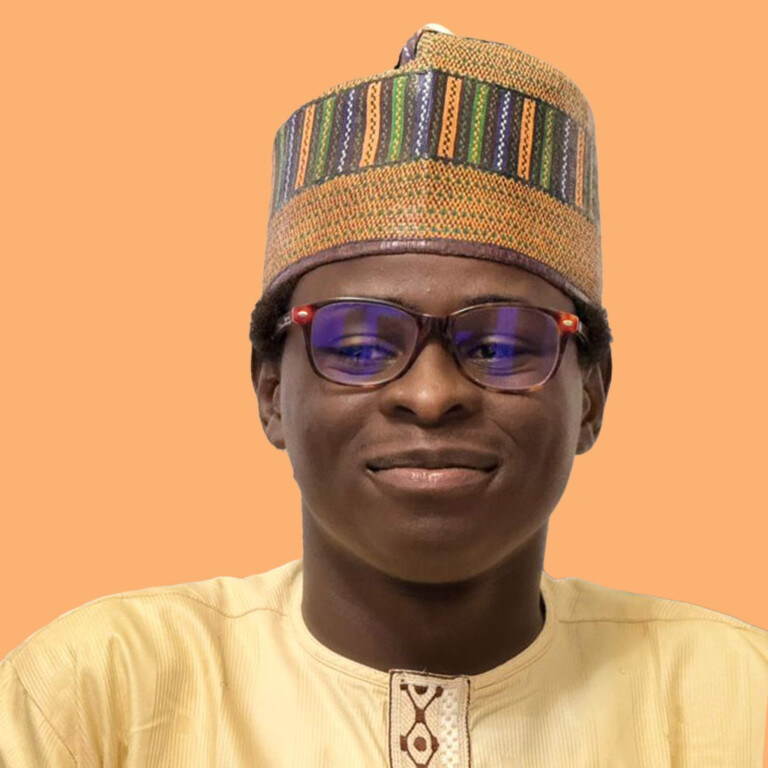

A reflection by Feisal Mohammed on identity, belonging and nation-building is sparking conversations about what it truly means to be a citizen, arguing that national identity should be measured not by official documents but by the sense of security, dignity and belonging people experience.
In the piece titled Beyond the Paper: Identity as a Feeling of Home, Mohammed drew inspiration from remarks by the UAE Minister of Tolerance and Co-existence, Sheikh Nahyan bin Mubarak Al Nahyan, during an event at Abu Dhabi University.
According to Mohammed, the minister told students that, “Identity isn’t those papers you carry, but the peace you feel with those papers,” a statement he said resonated deeply with the realities facing many Nigerians and Africans.
He argued that in Nigeria, identity has increasingly become associated with official documents such as the National Identification Number (NIN), Permanent Voter Card (PVC), birth certificate and international passport, while many citizens still struggle to feel a genuine sense of belonging in their own country.
According to him, a nation’s strength lies not merely in issuing identity documents but in creating a system where citizens believe they will be protected, treated fairly and supported in times of need.
Using the United Arab Emirates as an example, Mohammed noted that the country has successfully fostered a sense of belonging among people from diverse backgrounds. He referenced the leadership of President Sheikh Mohamed bin Zayed Al Nahyan, saying expatriates and Emirati citizens alike are encouraged to see themselves as partners in building the nation.
He attributed this sense of national identity to factors such as public safety, accessible justice and recognition of individual contributions, arguing that loyalty is earned through good governance rather than demanded through rhetoric.
Turning to Africa, Mohammed maintained that the continent’s greatest challenge is not a shortage of talent but the inability to make citizens feel at home. He observed that Africa continues to produce globally successful professionals, innovators, musicians and athletes, yet many seek opportunities abroad because they no longer feel connected to their home countries.
He also linked the growing wave of migration, popularly known as “Japa” in Nigeria, to the absence of dignity, security and fairness in public life.
Mohammed concluded that Nigeria’s future depends on creating an environment where citizens experience a genuine sense of belonging, rather than simply possessing legal documents.
He argued that when people truly feel at home in their country, they are more willing to invest in its future, defend its values and contribute to its development.