
Journalism is not meant to make people comfortable. Its primary responsibility is to reveal truths, ask difficult questions, and hold those in power accountable, even when doing so creates discomfort for readers, leaders, and journalists themselves.
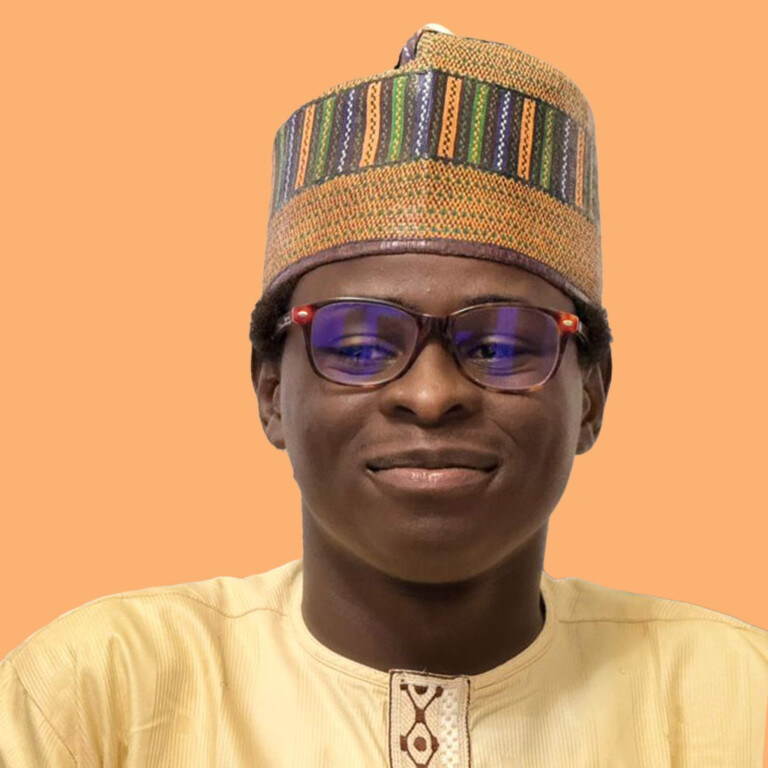
According to journalist Feisal Mohammed, good journalism often forces society to confront issues many would rather ignore. It challenges established beliefs, questions authority, and demands honesty from both the subjects being reported on and the reporters telling the story.
“Good journalism is supposed to make you uncomfortable,” Mohammed said. “If a story only reinforces what people already believe and never challenges them to think differently, then it is failing one of its most important purposes.”
He argued that modern audiences increasingly consume information that aligns with their existing views while avoiding content that challenges their assumptions. This trend, he noted, is not limited to journalism but extends to content creation, corporate communication, and digital media.
“The stories that truly make an impact are rarely the ones that leave everyone comfortable,” he said. “They are the stories that spark conversations, debates, and reflection.”
Mohammed stressed that journalism is not defined by sophisticated language or elaborate writing styles. Instead, its strength lies in presenting verified facts in a clear and accessible manner that can be understood by the widest possible audience.
“Journalism has never been about showing off writing skills,” he explained. “It is about telling stories accurately, reporting facts responsibly, and ensuring that the public understands issues that affect their lives.”
Reflecting on his experience in the profession, Mohammed noted that writing is often the easiest aspect of journalism. The real work, he said, takes place behind the scenes through research, verification, persistence, and building trust with sources.
He highlighted the daily realities of the profession, including following up on unanswered emails, making repeated phone calls, waiting for delayed interviews, cross-checking information, and spending hours verifying facts before publication.
“Journalism is not about having all the answers,” he said. “It is about remaining curious enough to keep asking questions.”
According to him, a news article that takes readers only a few minutes to read may represent many hours of interviews, research, fact-checking, and patience.
Mohammed also expressed concern about the state of journalism education in Nigeria. He observed that many freelance writers and professionals from other disciplines such as law, medicine, accounting, biochemistry, and English studies are making significant contributions to journalism, sometimes outperforming graduates of journalism and mass communication programmes.
This reality, he argued, raises important questions about the effectiveness of journalism training in Nigerian universities and whether students are being adequately prepared for the demands of modern news reporting.
“Journalism is more than earning a degree and waiting for government employment,” he said. “It is a profession that requires courage, initiative, and a commitment to public service.”
He further described journalism as a fearless profession that demands the willingness to expose wrongdoing regardless of personal relationships or interests.
“A journalist must be prepared to tell the story even when it involves friends, family members, or powerful individuals,” he said. “The profession is about accountability, defending human rights, and serving the public interest.”
Mohammed urged aspiring journalists to make use of available opportunities, develop practical reporting skills, and embrace the core values of truth, fairness, and accountability.
He concluded that the true measure of journalism is not the speed at which stories are written but the willingness of journalists to listen carefully, investigate thoroughly, and report fearlessly in the public interest.