
By Gloria Attah
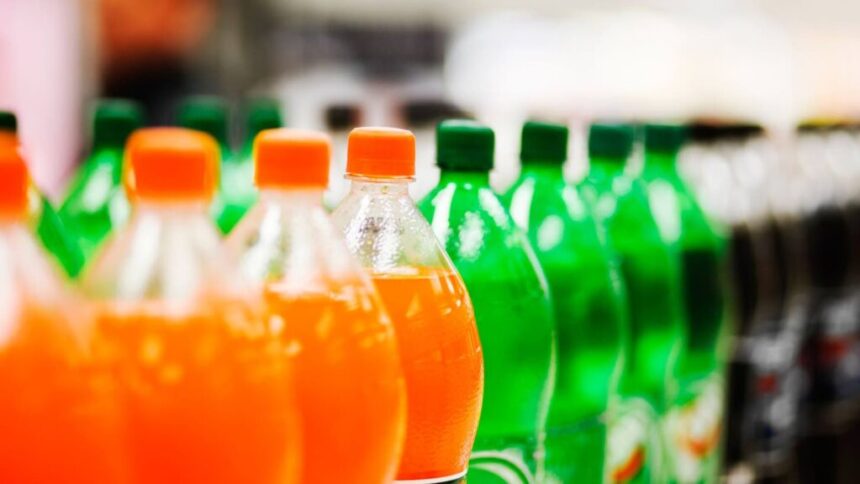
The Senate has passed a landmark bill seeking to reform Nigeria’s tax regime on Sugar-Sweetened Beverages (SSBs), a move health advocates say could help curb the rising burden of non-communicable diseases across the country.
The bill, passed on June 3, 2026, proposes replacing the current flat excise duty of N10 per litre on sugary drinks with a percentage-based levy linked to retail prices. It also provides for a portion of the revenue generated from the tax to be dedicated to health promotion and disease prevention programmes.
Reacting to the development, Corporate Accountability and Public Participation Africa (CAPPA) described the Senate’s action as a bold and timely intervention aimed at protecting public health.
In a statement issued on Wednesday, CAPPA Executive Director, Akinbode Oluwafemi, commended lawmakers for approving the bill and praised its sponsor, Senator Ipalibo Banigo, for championing the reform.
“This is a commendable and courageous move by the Senate,” Oluwafemi said. “By passing this bill, the Senate has demonstrated responsiveness to the growing public health crisis facing the country. We now urge the National Assembly to expedite the remaining legislative processes to ensure that the bill becomes law without delay.”
According to CAPPA, the proposed reform represents a significant shift toward evidence-based fiscal policies that can improve public health outcomes while generating additional resources for healthcare interventions.
The organisation also highlighted Banigo’s contributions to public health legislation, citing her role in the passage of the National Health Act Amendment Bill in April 2026, which increased funding for the Basic Health Care Provision Fund from one per cent to two per cent of the Consolidated Revenue Fund.
CAPPA said the need for stronger measures to reduce excessive sugar consumption has become increasingly urgent as Nigeria faces a growing prevalence of non-communicable diseases, including Type 2 diabetes, hypertension, cardiovascular diseases, obesity and dental conditions.
It noted that nearly one in three deaths in Nigeria is linked to non-communicable diseases, while more than 11 million Nigerians are currently living with diabetes.
The organisation argued that the widespread consumption of sugary drinks, particularly among young people, remains a major contributor to the health crisis and that the existing N10-per-litre tax has done little to influence consumption patterns.
CAPPA maintained that a price-based tax system would be more effective because it adjusts with inflation and increases the retail cost of sugary beverages, thereby discouraging excessive consumption.
“Fixed-rate taxes like Nigeria’s current system are easily absorbed by manufacturers and rendered ineffective by inflation,” the organisation stated. “A percentage-based levy ensures that the tax remains impactful over time, discourages excessive sugar intake and better protects public health.”
The group also welcomed the bill’s provision to earmark part of the revenue for health promotion initiatives, describing it as a critical step toward strengthening Nigeria’s healthcare system, supporting preventive care and expanding access to essential health services.
However, CAPPA stressed that transparency and accountability must guide the management of the earmarked funds to ensure they are used effectively and deliver measurable benefits to Nigerians.
The organisation called on the House of Representatives to swiftly concur with the Senate and facilitate the transmission of the bill for presidential assent.
“Nigeria cannot afford to delay,” Oluwafemi said. “We are in the midst of a preventable public health crisis driven by unhealthy diets and weak regulatory frameworks. Strengthening the SSB tax is not just a fiscal measure; it is a life-saving intervention.”
CAPPA said a stronger sugary drinks tax regime, backed by dedicated funding for health programmes, would provide Nigeria with a sustainable pathway to reduce disease burdens, save lives and improve health outcomes for future generations.