
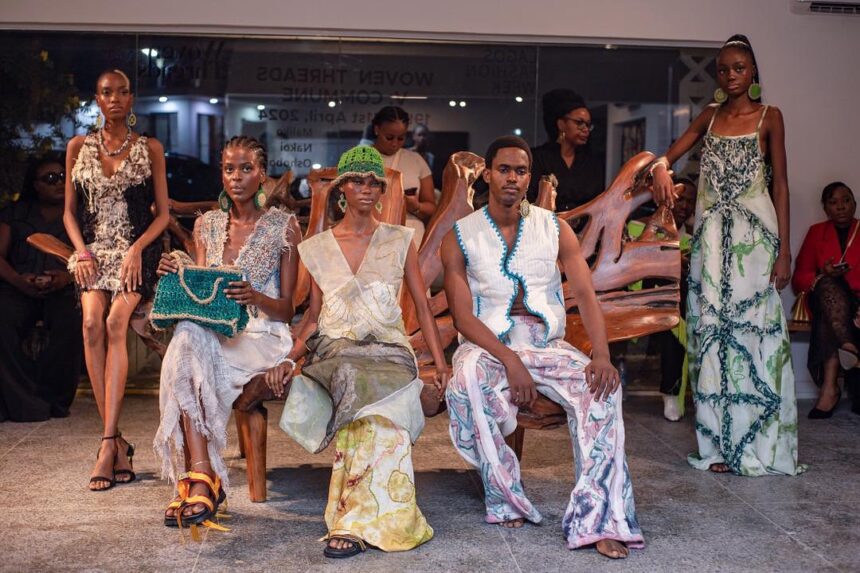
Nigerian fashion has moved beyond local celebrations and cultural events. Today, styles like aso oke, adire, gele, and aso ebi appear in global fashion spaces. People now see these outfits at fashion shows, red carpets, and on social media. This growth shows the creativity of Nigerian designers and the rising influence of Nigerian culture around the world.
Social media has helped Nigerian fashion reach a wider audience. Platforms like TikTok and Instagram show millions of people beautiful Nigerian outfits and styles. Videos of women wearing colourful dresses and elegant geles often go viral. The Nigerian diaspora has also helped spread these trends. Nigerians in cities like London, Houston, and Toronto proudly wear traditional clothing at weddings and cultural events. These events introduce foreign audiences to Nigerian fashion and fabrics.
Celebrities and influencers have increased the popularity of Nigerian fashion. Nigerian designers now dress international stars for red carpets and special events. Teenagers abroad even wear Nigerian-inspired outfits to prom. Designers receive many orders from customers outside Nigeria who admire fabrics like adire and aso oke. At the same time, the industry continues to improve. For example, designers created “autogele,” a pre-tied gele that is easier to wear. They also make fabrics softer and lighter for comfort.
Despite its success, Nigerian fashion still faces challenges. Many traditional fabrics are handmade and difficult to produce in large amounts. Poor infrastructure and unreliable electricity also affect production. However, Nigerian fashion continues to gain global respect. Fashion events in Lagos attract international buyers and influencers, while Nigerian brands showcase their work in cities like London and Paris. Nigerian fashion has become a symbol of creativity, elegance, and cultural pride across the world.
.