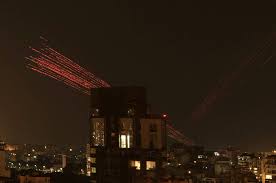
A 10-day ceasefire between Israel and Lebanon has begun, pausing weeks of cross-border fighting and rising tensions.
The United States supported the agreement, with both sides committing to stop offensive attacks. However, they can still act in self-defence if they perceive a threat, a provision that analysts say could be open to different interpretations.
Israeli Prime Minister Benjamin Netanyahu said Israel will not withdraw from southern Lebanon, which remains a key demand from Hezbollah. He stressed that Israel’s security objectives remain unchanged, including efforts to counter threats posed by Hezbollah. Israel may also retain troops in parts of southern Lebanon during the ceasefire period.
On the other side, Hezbollah and its allies continue to demand a full Israeli withdrawal and a complete halt to military operations inside Lebanese territory. This disagreement highlights a core divide, with Israel seeking to maintain a security presence while Hezbollah insists on total withdrawal.
The ceasefire also faces structural challenges. Hezbollah was not formally part of the negotiations, raising concerns about how the agreement will be enforced. In addition, the self-defence clause remains unclear, increasing the risk that either side could justify renewed action.
Israeli troop presence in southern Lebanon further complicates the situation, as it may trigger tensions despite the pause in fighting.
While the ceasefire provides a temporary break and an opportunity for dialogue, key issues remain unresolved, particularly around troop withdrawal and Hezbollah’s armed status. As a result, the agreement is widely seen as a short-term pause rather than a lasting solution.