Governor Dauda Lawal has approved a 120-day Rapid Intervention Plan to tackle deep-rooted challenges in Zamfara State’s education sector.
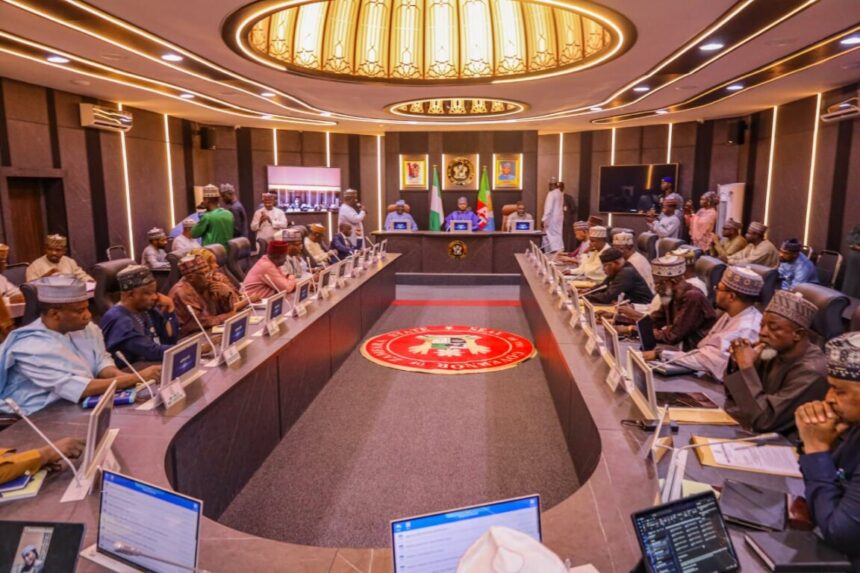
The decision followed a State Executive Council meeting held at the Government House in Gusau on Monday.
The Zamfara State Executive Council endorsed the 120-day action plan during its 65th meeting.
The initiative builds on earlier assessments conducted by the Ministry of Education and the Education Quality Assurance Agency.
Officials say the plan aims to deliver quick, targeted reforms to stabilise the education system.
Key Focus Areas of the Intervention
The rapid intervention plan targets several critical areas.
These include:
- Payroll audits to eliminate irregularities
- School mapping to improve planning
- Infrastructure assessments to identify urgent needs
The plan also focuses on governance reforms, digital transformation, teacher development, and improved student welfare.
Crackdown on Illegal Structures Around Schools
Meanwhile, the council approved the creation of a joint committee to address safety concerns around schools.
The committee will identify and assess illegal or unapproved structures near school premises. Authorities plan to relocate such structures and secure school environments across the state.
The Ministry of Education, Science and Technology will lead the effort.
In addition, the council approved a unified Education Sector Bill covering all levels, from early childhood care to tertiary education.
The government developed the draft bill in consultation with stakeholders, including civil society groups, traditional rulers, and development partners.
Authorities plan to present the bill to the Zamfara State House of Assembly within the emergency timeframe.
Staff Reforms and Institutional Changes
The council also approved major staffing reforms.
It directed the transfer of non-teaching staff from the Ministry of Education payroll to relevant ministries, departments, agencies, or private firms.
Affected roles include messengers, drivers, health workers, and artisans.
Steering Committee for Education Emergency
Furthermore, the government set up a Steering Committee to oversee the state of emergency in education.
The committee will form a Technical Working Group and collaborate with key stakeholders such as:
- Nigeria Union of Teachers
- UNICEF
- Universal Basic Education Commission
The group will guide implementation and ensure accountability.
The 120-day plan signals an urgent push to reform education in Zamfara.
If effectively implemented, the initiative could improve learning conditions, strengthen governance, and restore confidence in the system.