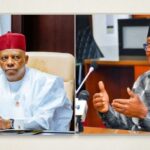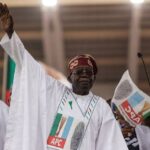

Bola Ahmed Tinubu has signed the ₦68.32 trillion 2026 Appropriation Bill into law, marking a major fiscal step for Nigeria.
The President also approved a separate bill extending the 2025 budget implementation from March 31 to June 30, 2026.
Dual Approach to Budget Execution
The government is adopting a dual-track strategy. It is rolling out a new budget while completing projects under the previous one.
Officials say this approach will reduce delays and ensure continuity in key government programmes.
Focus of the 2026 Budget
The 2026 budget is one of the largest in Nigeria’s history. It targets economic recovery, infrastructure development, security, and social investments.
The administration aims to stabilise the economy and sustain ongoing reforms across critical sectors.
Why the 2025 Budget Was Extended
The extension gives ministries and agencies more time to use allocated funds. Analysts say this step helps prevent abandoned projects and improves spending efficiency.
It also provides relief for contractors and agencies handling ongoing projects, allowing them to complete work without funding disruptions.
Economic Pressures Remain
Experts say the size of the budget reflects rising costs and growing demand for public services.
Nigeria continues to face inflation, currency pressure, and increasing spending needs. These factors raise concerns about funding and effective execution.
Implementation Key to Success
Analysts stress that implementation will determine the budget’s success.
They note that strong revenue generation, fiscal discipline, and efficient use of funds will be critical to achieving meaningful results.
Impact on Key Sectors
Government spending is expected to influence infrastructure, healthcare, education, and the power sector.
Effective investment in these areas could support growth and improve living standards across the country.
The signing of the budget sets the framework for government spending in 2026.
However, Nigerians will measure its success by real outcomes such as job creation, improved services, and economic stability.
Attention now shifts to how effectively funds are deployed and whether the plans translate into tangible development.