
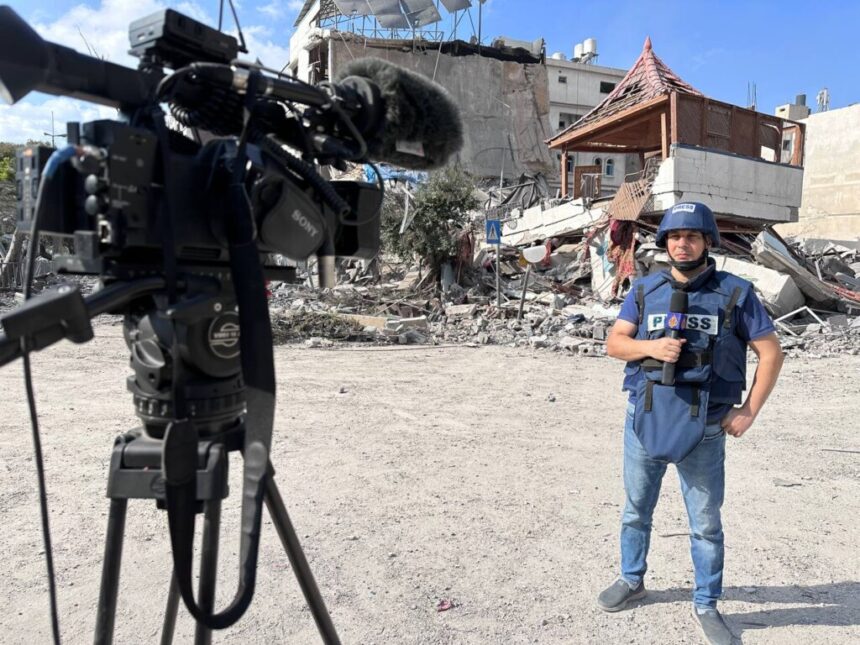
From war zones to digital surveillance, journalism is becoming one of the world’s most dangerous professions. A new safety resource by Reporters Without Borders (RSF) highlights the escalating threats faced by reporters globally and offers critical guidance for surviving hostile environments.
According to the RSF Safety Guide for Journalists, today’s media workers face a wider range of dangers than ever before — including armed conflicts, street violence, cyberattacks, kidnappings, online harassment, and psychological trauma. The organization says journalists covering conflict zones, authoritarian governments, protests, and sensitive investigations are increasingly becoming direct targets.
The guide’s Chapter 1, titled “The Growing Risks for Journalists,” explains that modern threats are no longer limited to bullets and bombings. Digital surveillance, spyware, hacked communications, and data interception now pose major risks to reporters and their sources. RSF warns that smartphones, laptops, and internet activity can expose journalists to tracking, arrest, or intimidation.
RSF notes that covering civil unrest and conflicts requires careful preparation, including understanding local power dynamics, conducting risk assessments, and planning emergency responses before entering dangerous environments.
The safety guide also emphasizes mental health, urging journalists and media organizations to recognize the long-term psychological impact of traumatic reporting. Stress, anxiety, and post-traumatic symptoms are increasingly common among reporters working in high-risk situations.
Produced in partnership with UNESCO, the handbook has been updated several times since its first publication in 1992. It includes practical advice on physical safety, digital protection, hostile environment training, first aid, and survival techniques for journalists operating in dangerous territories.
RSF says newsrooms must do more to protect reporters by providing safety training, proper equipment, psychological support, and clear communication systems before assignments begin. The organization insists that journalist safety should be treated as a core responsibility, not an afterthought.
As press freedom faces mounting pressure worldwide, the RSF guide serves as both a warning and a survival manual for journalists navigating increasingly hostile conditions.