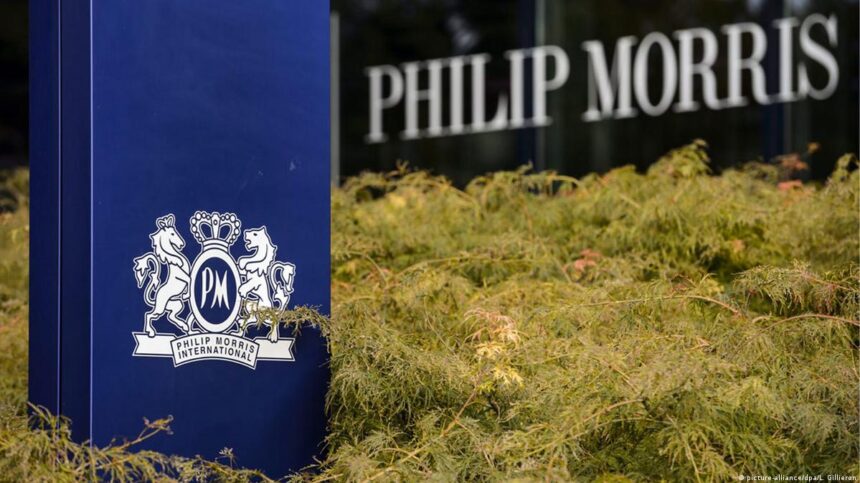
The global push for sustainability has reached a defining moment, as Philip Morris International secures a top-tier position on the Forbes 2026 Net Zero Leaders ranking. Notably, PMI placed 4th overall, emerging as the only fast-moving consumer goods (FMCG) company in the top ten.
This achievement comes at a critical time, when businesses worldwide are under increasing pressure to cut emissions while maintaining profitability. At the same time, rising costs are complicating that transition. Global food inflation, for instance, is projected to surge by as much as 50% over a five year cumulative period, intensifying financial strain across supply chains.
Against this backdrop, PMI’s ranking signals a strong commitment to sustainability despite mounting economic challenges. The company has continued to invest in emission reduction strategies, alternative production methods, and more efficient resource use. As a result, it stands out among peers navigating the same volatile environment.
Furthermore, the recognition highlights a broader shift in corporate priorities. Companies are no longer judged solely on financial performance but also on how effectively they manage environmental impact. In turn, sustainability rankings like Forbes’ Net Zero Leaders are becoming key benchmarks for investors and stakeholders.
However, balancing climate goals with operational realities remains a major hurdle. Supply chain disruptions, energy costs, and inflationary pressures are forcing companies to rethink how they achieve net zero targets without eroding margins. Even so, leaders like PMI are proving that progress is possible with strategic planning and innovation.
Ultimately, this milestone reflects a growing convergence between sustainability and business strategy. As global pressures intensify, companies that successfully align both will likely define the next phase of corporate leadership.