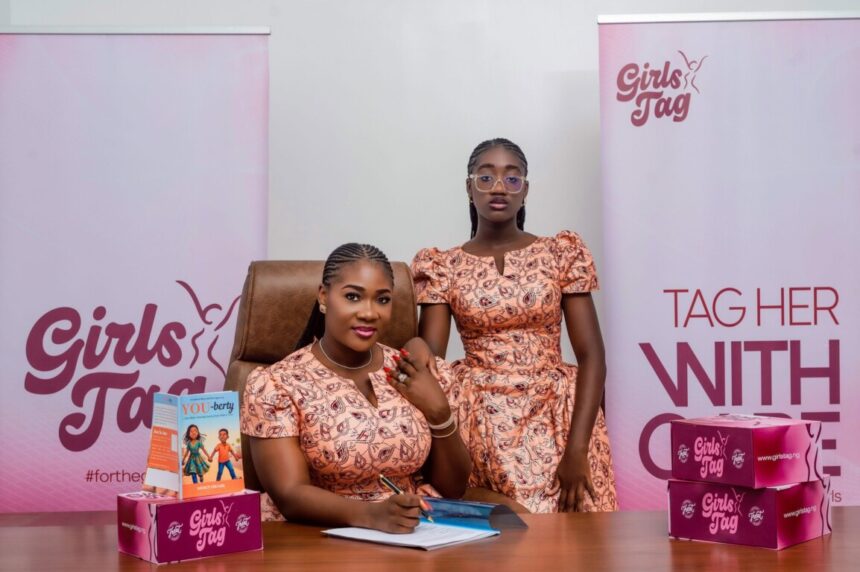
Entertainment conversations across Nigeria have intensified after Nollywood actress Mercy Johnson Okojie and her daughter Purity promoted a 25,000 naira menstrual health kit for young girls.
The product, known as Girls Tag, contains sanitary pads, wipes, liners, disposal bags, a pouch, and an educational guidebook. The kit targets girls aged nine and above. It is designed to help young girls understand menstrual hygiene and personal care.
The price of the kit quickly triggered reactions on social media. Many Nigerians described the product as too expensive for average families. Critics argued that many parents already struggle to afford basic sanitary products because of the country’s economic challenges.
Some social media users compared the cost of the kit to the national minimum wage. Others said the price could make menstrual care look like a luxury instead of a basic health need.
Several commenters also raised concerns about period poverty in Nigeria. They noted that many schoolgirls still miss classes because they cannot afford sanitary pads.
Despite the criticism, supporters defended the initiative. They argued that the kit offers more than regular sanitary products. According to them, the package combines hygiene items, storage materials, and menstrual education in one set.
Some supporters also praised the inclusion of the educational guidebook. They believe it could help young girls better understand puberty, body changes, and personal hygiene at an early age.
Others argued that branded wellness products often cost more because of packaging, awareness campaigns, and added value.
The debate has now expanded beyond entertainment discussions. Many Nigerians are using the moment to highlight concerns about menstrual equity in the country.
Health advocates and activists have renewed calls for government support to make menstrual products more affordable. Some are asking for subsidies, tax reductions, and free sanitary products for girls in public schools.
The controversy surrounding the Girls Tag kit has also renewed conversations about access to menstrual care and the financial challenges many families face.
As reactions continue online, the discussion reflects growing public attention on menstrual health awareness and affordable hygiene solutions for young girls in Nigeria.