
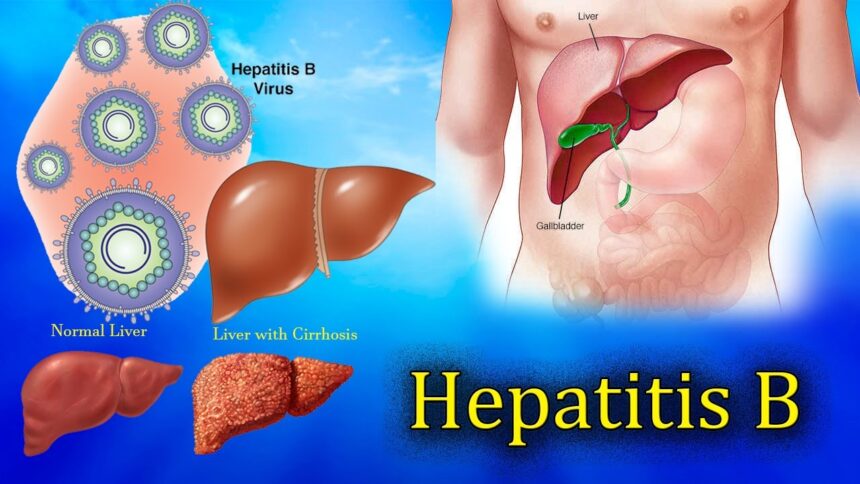
The silent killer “Hepatitis B” is spreading silently across Nigeria, and the night move that’s what makes it deadly. Most infected people carry the virus for years with no symptoms in the body. When the fatigue, yellow eyes, or a swollen belly appears, the liver is often scarred beyond treatment.
Health experts are warning Nigerians and world at large because late diagnosis is rapidly growing Nigeria’s cases of liver cirrhosis and liver cancer. They say simple testing and vaccination can prevent most of these deaths.
This report research how Hepatitis B spreads, why it called “Silent killer,” how it diagnosed, and protective measures.
What Is Hepatitis B
Hepatitis B, is viral deadly infection that attacks the liver and causes inflammation. Certain adults people clear the infection within 6 months — that’s acute hepatitis B. For others, especially babies and children, it becomes chronic and can last a lifetime.
“Babies and children are at highest risk of chronic infection,” according to Dr. Umoren, “If HBV becomes chronic, it can lead to cirrhosis, liver failure, or liver cancer over time.”
How It Spreads more Infectious Than HIV
HBV spreads through infected blood and bodily fluids when contacted. The routes sights are unprotected sex, sharing needles or syringes, razors, toothbrushes, and unsterile tattoo or piercing equipment. It can also pass from mother to child during childbirth and through unsafe blood transfusions.
The most alarming fact, Dr. Umoren notes: “Hepatitis B is 100x more infectious than HIV. Unlike HIV, HBV can survive outside the body for up to 7 days. Dried blood on a razor or unsterilized tattoo needle can still infect someone days later.”
Yet millions of people do not know they carry the virus.
Symptoms Arrive Too Late
Most people have no symptoms until the liver is badly damaged. When symptoms appear, they include fatigue, loss of appetite, nausea, vomiting, dark urine, pale stools, yellowing of skin and eyes, and a swollen abdomen from fluid buildup, called ascites.
“Symptoms are not enough to diagnose it,” Dr. Umoren warns. “By the time you start feeling sick, the damage may already be irreversible.”
Diagnosis A Simple Blood Test
Doctors are to diagnose HBV with a blood test that checks for:
HBsAg: Hepatitis B surface antigen. If positive, you have an active infection.
Anti-HBs: Hepatitis B surface antibody. If positive, you’re immune from vaccine or past infection.
HBV DNA: Measures virus levels in blood to guide treatment.
“If you’ve never been tested, get tested today,” Dr. Umoren advises. Early detection is key to preventing complications.
Treatment and Post-Exposure Prevention
There’s no cure for HBV yet, but it can be managed. Many Doctors prescribe antivirals to reduce virus levels, slow liver damage, and lower the risk of liver failure and cancer. The key is early detection and regular monitoring.
For recent exposure, there’s still hope. Post-exposure prophylaxis, PEP, can prevent infection if given within 24 hours. It includes one dose of Hepatitis B immune globulin, HBIG, plus the first dose of the vaccine series.
“If caught early, Hepatitis B is not a death sentence,” Dr. Umoren says.
Too many Nigerians discover Hepatitis B only when complications set in. But with testing, vaccination, and safe practices, HBV does not have to lead to liver failure or cancer.