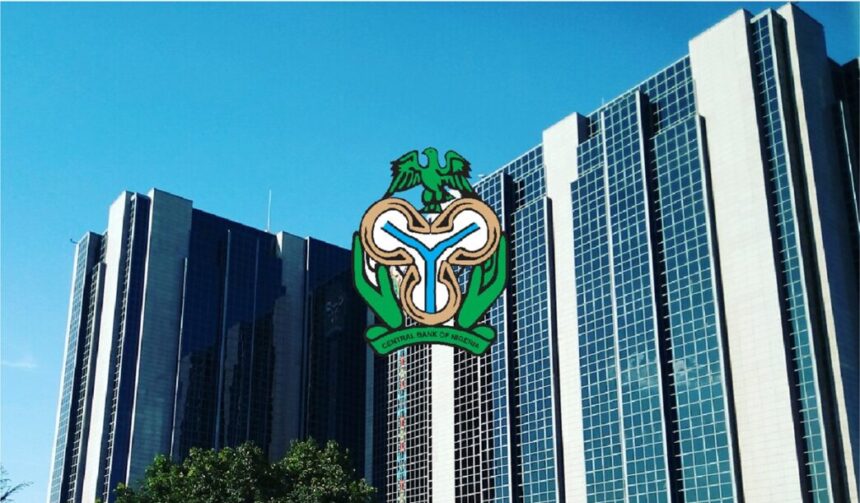
The Central Bank of Nigeria (CBN) has withdrawn more than ₦90tn from the financial system through Open Market Operations (OMO) in 2026.
The amount is more than double the ₦40.9tn recorded in 2025. The move comes as the apex bank steps up efforts to control inflation ahead of the 2027 general elections.
The withdrawals cover the period between January and November 2026. They reflect the bank’s efforts to manage excess liquidity and maintain monetary stability.
CBN data show that liquidity withdrawals fluctuated throughout 2026.
The bank withdrew ₦13.41tn in January and ₦6.3tn in February. Withdrawals dropped to ₦2.36tn in March before rising to ₦4.48tn in April.
In May, the apex bank absorbed ₦5.42tn through two OMO auctions. The figure increased to ₦13.96tn in June.
The bank recorded ₦7.18tn in July and ₦4.72tn in August.
September recorded the highest OMO allotment. The CBN raised ₦17.5tn during the month.
In October, the bank allotted ₦6.182tn in new OMO bills. However, existing securities worth ₦9.051tn matured during the period.
This resulted in a net repayment of approximately ₦2.87tn before other adjustments.
The CBN subsequently withdrew another ₦7.53tn through auctions conducted on November 3, 4 and 10.
The increased liquidity withdrawals come amid concerns about government spending ahead of the 2027 elections.
Members of the Monetary Policy Committee (MPC) warned that election-related spending could increase demand and fuel inflation.
They also cautioned against weak fiscal discipline. According to the committee, excessive spending could undermine monetary policy efforts.
Nigeria’s broad money supply reached ₦146.60tn in September 2026. This represents an increase of ₦28.82tn from the previous year.
Credit to the government also rose by 63.09 per cent to ₦39.40tn.
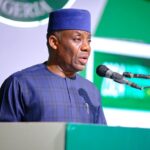
CBN Deputy Governor, Dr Muhammad Abdullahi, warned about the inflationary risks of election spending.
He noted that increased expenditure could raise transportation, energy and production costs.
Other MPC members, including Dr Aloysius Ordu and Bandele Amoo, called for stronger fiscal discipline.
They also stressed the need for better coordination between monetary and fiscal authorities.
CBN Governor, Olayemi Cardoso, said the bank had studied previous election cycles.
He explained that the institution had developed strategies to manage possible liquidity pressures.
Cardoso said the CBN would monitor currency in circulation and banking system liquidity.
The bank would also track monetary aggregates and foreign exchange demand.
He assured Nigerians that the CBN would deploy available monetary policy tools. The objective is to absorb excess liquidity and protect price stability.
Economists have linked rising liquidity to increased government revenues and allocations to states and local governments.
They also identified election-related spending as another major contributor.
Professor Akpan Ekpo of the University of Uyo said the CBN was trying to prevent excess liquidity from driving consumer demand and inflation.
However, he questioned whether the intervention would achieve its objectives. He cited the expected scale of election spending as a major challenge.
Similarly, the Centre for the Promotion of Private Enterprise founder, Dr Muda Yusuf, identified government allocations and political expenditure as major liquidity sources.
He also noted that public sector deposits continue to influence banking system liquidity.
Meanwhile, the World Bank projected that Nigeria’s consolidated fiscal deficit could rise from 3.1 per cent of GDP in 2025 to 3.5 per cent in 2026.
The bank linked the projected increase partly to higher government spending and pre-election expenditure.
The CBN now faces the challenge of controlling excess liquidity while maintaining economic stability ahead of the 2027 general elections.