
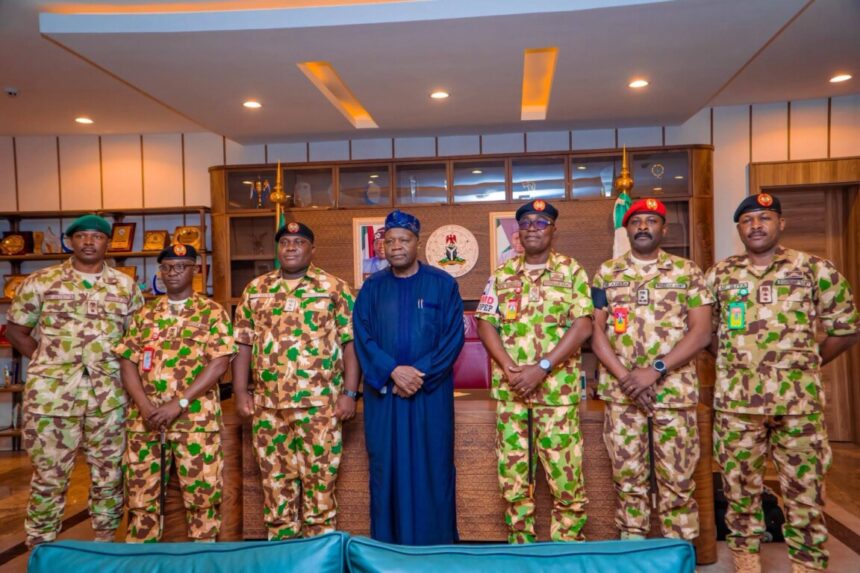
The Federal Government will increase the salaries of Nigerian military personnel by up to 80 per cent, in a major move to improve troop welfare
President Bola Ahmed Tinubu approved the new salary structure, which will take effect from September 1, 2026, according to the Presidency
The new pay comes as Nigerian troops continue to fight Boko Haram and ISWAP in the North-East, armed banditry in the North-West and other security threats across the country
The government says the salary increase will improve the welfare and morale of military personnel, especially those serving in high-risk areas
But an important question remains: Can higher salaries help Nigeria achieve greater security?
How Much Will Military Personnel Earn?
Before the latest review, the minimum monthly salary for a Nigerian soldier had risen from about ₦49,000 to ₦100,000
The new structure will give junior personnel from Privates to Staff Sergeants an additional 80 per cent increase
However, the government has not yet released the full salary structure for all military ranks
The new pay package will therefore affect personnel differently, depending on their rank and current salary
Why the Salary Increase Matters
Military personnel often work in difficult conditions and face serious risks while protecting the country
Many troops spend long periods away from their families, especially those deployed to areas affected by terrorism and armed violence
Better pay can help reduce some of the financial pressure faced by service members and their families
It can also show that the government recognises the risks and sacrifices that come with military service
Defence experts have also linked better pay with stronger morale and improved staff retention
Military Welfare Goes Beyond Salaries
Higher salaries can improve welfare, but pay alone cannot solve every problem facing Nigerian troops
Military personnel also need safe accommodation, good healthcare, life insurance and proper support for their families
The armed forces also need modern weapons, vehicles, communication systems and other equipment
When soldiers have the right tools and support, they can respond more effectively to security threats
This means the government must improve military welfare while also strengthening the wider systems that support operations
Nigeria Still Faces Major Security Threats
The salary increase comes as Nigeria continues to face several security challenges
In the North-East, military forces continue operations against Boko Haram and ISWAP
Parts of the North-West still face armed banditry and kidnapping, while the Niger Delta continues to deal with oil theft and other criminal activities
Other parts of the country also face violent criminal groups and security threats
These challenges place heavy demands on Nigeria’s armed forces and require long-term investment
Higher Pay Alone Cannot End the Crisis
Better salaries may improve morale, but they cannot end terrorism and other forms of violence on their own
Nigeria also needs better intelligence, modern equipment, strong training and reliable supplies
Security agencies must also share information and work closely with local communities
Local communities can provide vital information about criminal groups and help security agencies understand threats before they grow
Without these wider reforms, a salary increase may improve the lives of soldiers without producing a major change in the country’s security situation
Nigeria’s Security Crisis Has Lasted for Years
Nigeria has battled serious security threats for more than 16 years
The Boko Haram insurgency began in 2009 and has caused widespread deaths and displacement, especially in the North-East
The conflict has also disrupted farming, education, trade and other activities in affected communities
Millions of people have been forced from their homes because of violence in the region
The long-running crisis shows why Nigeria needs more than military operations to achieve lasting peace
The Government Must Invest in the Military
The new salary structure sends an important message to military personnel and their families
It shows that the government recognises the sacrifices of those serving on the front lines
However, the government must match better pay with better equipment, training, healthcare and living conditions
It must also support families of soldiers who suffer serious injuries or lose their lives while serving the country
A strong military depends on both motivated personnel and effective support systems
Morale Is Important, But It Is Not Enough
Military history shows that morale can strengthen a fighting force, but morale alone cannot win a war
Soldiers need good leadership, accurate intelligence, modern equipment and reliable logistics
They also need clear plans and strong cooperation between security agencies
Nigeria must therefore see the salary increase as one part of a wider security plan
The country also needs policies that address the causes of insecurity and reduce the conditions that allow armed groups to recruit and operate
Will Higher Salaries Bring Greater Security?
The Nigerian military salary increase is an important step towards improving troop welfare, but its success should not depend only on the size of the pay rise
The real test will be whether the policy helps create a more motivated and effective military
For that to happen, better salaries must go together with modern equipment, strong intelligence, proper training, good leadership and better support for military families
Higher pay can improve morale, but lasting security will require Nigeria to invest in both its troops and the systems that help them protect the country.