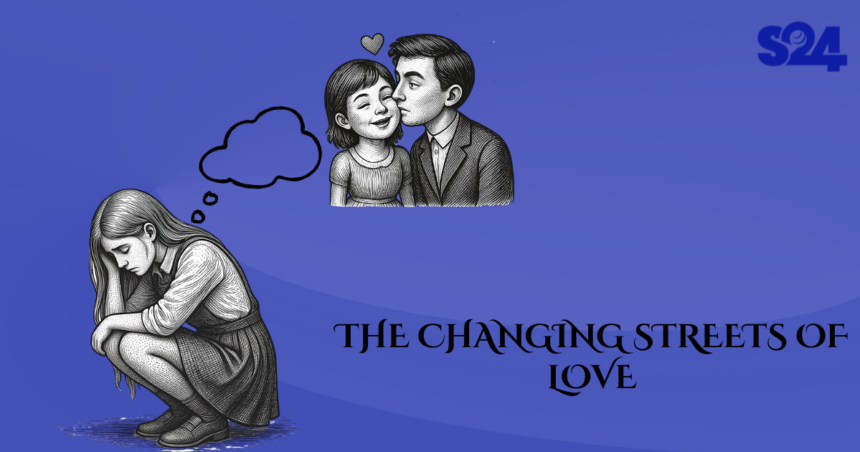
I have always wondered why the streets feel flooded with bitter and unhappy people, where many act toxic, show little interest in genuine connections, and refuse to take accountability, even though we grew up hearing beautiful stories from our parents.
About how they met their partners, exchanged love letters, respected the culture of the middleman, and treated relationships as sacred commitments built on trust, honour, and keeping one’s word.
Back then, relationships carried a sense of responsibility. Promises meant something, and people generally valued commitment. Today, however, the reality appears very different.
“E don cast! Last last, na everybody go chop breakfast.”
When Nigerian music star Damini Ebunoluwa Ogulu, popularly known as Burna Boy, released Last Last on May 13, 2022, the song quickly became more than just another hit. It became a cultural expression of modern heartbreak.
Its message was simple but powerful: heartbreak is universal. It does not discriminate based on age, wealth, education, or appearance. You may have everything going for you and still become another victim of “breakfast.”
Modern relationships have shown that being a good person does not automatically guarantee a successful relationship. Love is far more complicated than a reward system where kindness guarantees happiness.
Compatibility, emotional maturity, shared values, timing, and personal choices often determine whether relationships survive. That is why even the most caring, loyal, and accomplished people sometimes find themselves nursing broken hearts.
One major factor is the way people choose their partners.
Many ignore obvious red flags because they crave companionship or feel pressured by society to be in a relationship. Some confuse physical attraction with emotional compatibility. Others mistake temporary excitement for genuine commitment.
Eventually, reality catches up, and when relationships built on weak foundations begin to crack, heartbreak follows.
Unfortunately, even making careful choices does not eliminate the risk.
Someone can take their time, ask the right questions, observe carefully, and still experience betrayal or disappointment. Human emotions are unpredictable, and relationships rarely follow logic.
That uncertainty is both the beauty and the danger of love. Every relationship requires vulnerability, and vulnerability always carries risk.
Heartbreak rarely ends when the relationship ends.
For many people, it leaves emotional wounds that quietly shape future relationships. It breeds insecurity, fear, mistrust, low self-esteem, and unhealthy coping mechanisms. Some become emotionally unavailable. Others develop toxic habits that they once complained about in previous partners.
In many ways, today’s bitter dating culture is made up of people carrying yesterday’s unresolved pain.
Research supports what many people experience.
A 2023 Psychology Today survey found that 42 percent of breakups stem from poor communication, including unresolved conflict, emotional withdrawal, and the inability to communicate honestly.
Financial problems also play a major role. According to the Journal of Marriage and Family (2021), financial disagreements contribute to 28 percent of relationship breakdowns, while more recent divorce data suggests money-related issues influence nearly 60 percent of divorces.
Infidelity remains another leading cause, accounting for between 23 and 37 percent of breakups across different age groups.
These statistics reveal an important lesson. The warning signs often appear long before relationships collapse. Poor communication, financial incompatibility, dishonesty, and emotional distance rarely arrive overnight. Yet many people ignore them until it is too late.
When we examine these numbers, they offer no guaranteed formula for avoiding heartbreak.
Instead, they remind us that every relationship involves uncertainty. Love can be thoughtful, intentional, and genuine, yet still end painfully. That reality explains why Burna Boy’s phrase, “Everybody go chop breakfast,” resonates with so many people.
Personally, this reality leaves me conflicted.
The complexity of modern relationships sometimes feels overwhelming. The thought of willingly becoming emotionally vulnerable can seem frightening. After all, what is the reward if the person you trust most eventually becomes the one who hurts you the deepest?
One day they become your greatest source of happiness, motivation, and comfort. The next, they feel like a complete stranger.
Heartbreak rarely arrives without warning.
Calls become shorter. Replies become slower. Conversations lose warmth. Shared routines slowly disappear. Future plans stop exciting both partners. Laughter feels forced. Affection fades. Accountability disappears.
These subtle changes often signal that a relationship is slowly falling apart, yet many people ignore them until “breakfast” is finally served.
None of this means people should stop believing in love.
Instead, it reminds us to love wisely.
Choose carefully. Pay attention to character rather than promises. Listen when red flags appear. Build relationships on honesty, communication, shared values, and accountability rather than excitement alone.
Heartbreak may never become completely avoidable, but emotional maturity, patience, self-awareness, and responsible choices can reduce the likelihood of repeating painful patterns.
The streets may be full of people who have “chopped breakfast,” but they do not have to remain that way. Healing is possible, accountability matters, and healthy relationships still exist for those willing to build them with intention, honesty, and patience.