The Nigerian Government has reaffirmed its commitment to strengthening its strategic partnership with the European Union (EU) and the European Investment Bank (EIB) to accelerate Nigeria’s economic development and finance key national projects.
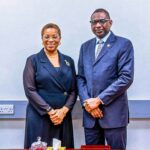
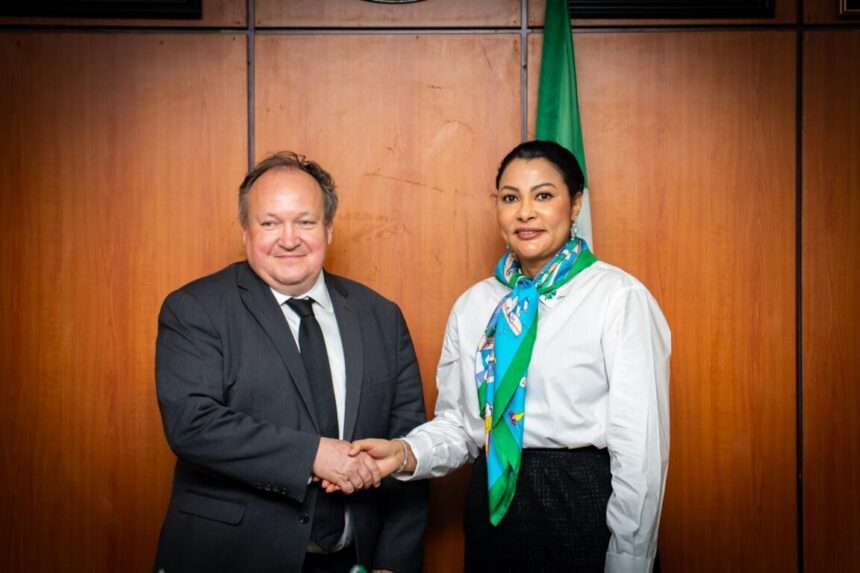
The Minister of State for Budget and Economic Planning, Dr. Doris Uzoka-Anite, made this known during a courtesy visit by the Vice President of the European Investment Bank, Ambroise Fayolle, and the Head of the European Union Delegation to Nigeria, Gautier Mignot, at the ministry in Abuja.
Uzoka-Anite said the Tinubu administration remains committed to creating an enabling environment for investments and development financing in line with the Renewed Hope Agenda and the Nigeria Agenda 2050.
She also highlighted the government’s ongoing work on a successor Medium-Term National Development Plan for 2026 to 2030, which is expected to guide Nigeria’s economic growth and development over the next five years.
According to the minister, the Federal Government values the longstanding partnership with the European Investment Bank and looks forward to expanding collaboration on projects that will drive economic transformation, improve infrastructure and enhance the quality of life for Nigerians.
“We appreciate the EIB’s continued support and look forward to working together on more high-impact projects that will contribute to Nigeria’s economic prosperity,” she said.
Speaking during the visit, EIB Vice President Ambroise Fayolle said the engagement was aimed at reviewing the growing cooperation between Nigeria and the bank, particularly in infrastructure development, climate resilience, digital connectivity, private sector growth and sustainable financing.
Fayolle disclosed that the European Investment Bank’s portfolio in Nigeria is currently valued at about £2.7 billion, reflecting the institution’s confidence in the country’s economic potential, ongoing reforms and strategic importance within the European Union’s Global Gateway framework.
The meeting underscored the shared commitment of Nigeria and its European partners to deepen development cooperation and mobilise investments that support inclusive and sustainable economic growth.