The House of Representatives, Reps, has commenced efforts to strengthen Nigeria’s defence architecture through a series of legislative reforms aimed at improving the effectiveness, accountability, and capacity of the Armed Forces in addressing the country’s growing security challenges.
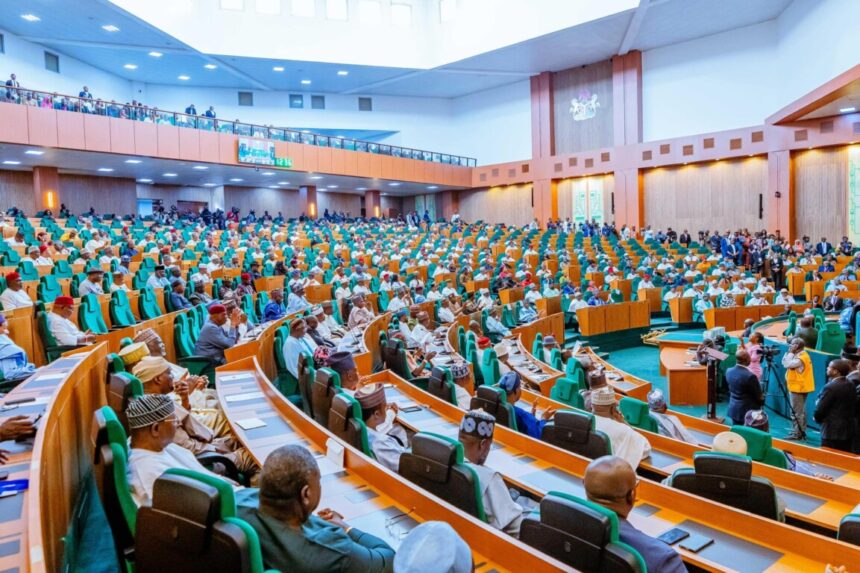
Speaker of the House of Representatives, Abbas Tajudeen, made this known on Monday while declaring open a two-day public hearing on defence-related bills organised by the House Committee on Defence at the National Assembly Complex in Abuja.
Reps Push Defence Reforms to Address Security Challenges
According to the Speaker, the proposed defence bills form a critical part of the 10th House of Representatives’ legislative agenda and are designed to strengthen Nigeria’s military institutions in response to evolving security threats.
He described the legislation as more than a routine lawmaking exercise, noting that it represents a strategic effort to build a more resilient, inclusive, and effective defence system.
“The bills listed for consideration over the next two days are not mere legislative exercises. They are a direct response to the evolving security threats facing our beloved nation and the imperative to build a more resilient, inclusive and effective military institution,” Abbas said.
National Assembly Seeks Stronger Legal Framework for Armed Forces
The Speaker noted that Nigeria continues to grapple with multiple security crises across different regions, placing significant pressure on the nation’s security agencies.
He cited the ongoing insurgency in the North-East, banditry and kidnapping in the North-West, farmer-herder conflicts in the North-Central, and separatist agitations in the South-East as major challenges confronting the country.
According to him, the Armed Forces of Nigeria remain central to the nation’s security response despite being stretched by the scale and complexity of these threats.
Emerging Threats Driving Defence Reform Efforts
Beyond traditional security concerns, Abbas highlighted emerging threats such as maritime piracy in the Gulf of Guinea, cyber warfare, and the growing links between organised crime and terrorism.
He said these evolving risks underscore the need for stronger legal and institutional frameworks to support military operations and national security objectives.
“We face emerging threats: maritime piracy in the Gulf of Guinea, cyber warfare and the nexus between organised crime and terrorism. It is against this backdrop that the 10th House of Representatives has resolved to strengthen the legal and institutional frameworks that govern our military,” he stated.
Public Hearing to Gather Stakeholder Input
The Speaker stressed that the public hearing is intended to encourage broad stakeholder participation and ensure that defence legislation benefits from expert analysis and evidence-based recommendations.
He assured participants that the process would be transparent and inclusive.
“This public hearing is not a rubber stamp. It is a platform for robust, evidence-based engagement,” Abbas added.
The two-day hearing is expected to review several defence-related bills focused on enhancing military operations, strengthening accountability mechanisms, improving personnel welfare, and increasing the overall capacity of the Armed Forces of Nigeria to tackle contemporary security threats.
Why the Defence Bills Matter
Security analysts say stronger defence legislation could help improve military readiness, institutional efficiency, and coordination among security agencies as Nigeria confronts increasingly complex security challenges.
The proposed reforms are expected to contribute to broader efforts by the National Assembly to support national security, strengthen defence governance, and equip the military to respond effectively to both conventional and emerging threats.