For more than a decade, Nigeria has witnessed a disturbing pattern of mass abductions of schoolchildren.
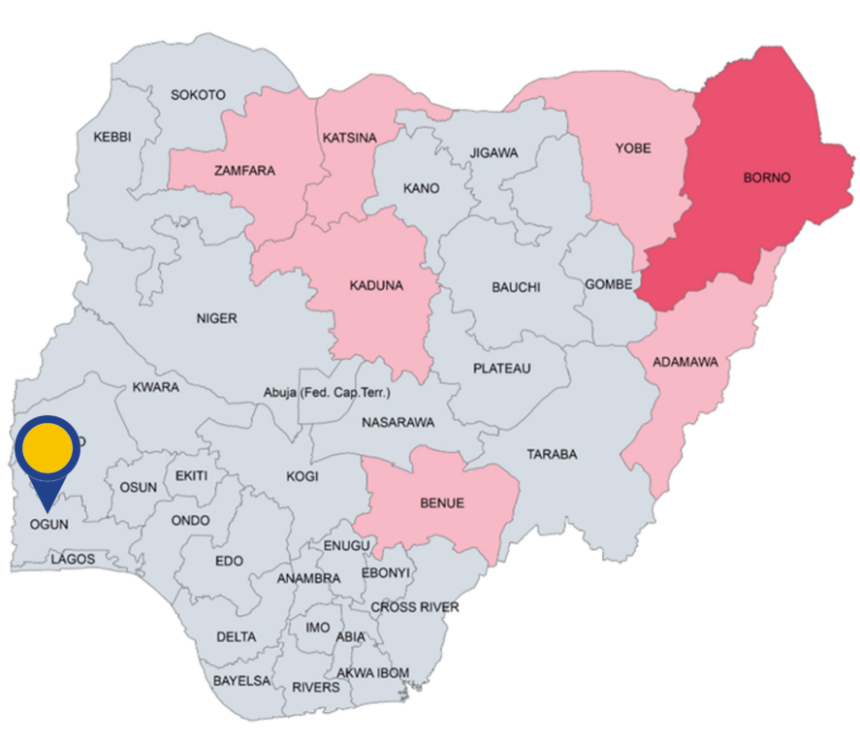
What began with the abduction of 276 schoolgirls from Chibok in 2014 shocked the world and exposed serious weaknesses in the country’s security architecture.
Four years later, 110 schoolgirls were abducted in Dapchi, Yobe State. In 2020, more than 300 students were kidnapped from a school in Kankara, Katsina State.
January 2021 saw over 200 students abducted in Jangebe, Zamfara State, while June 2021 recorded another 121 students taken from Bethel Baptist High School in Kaduna State.
Similar attacks have continued across different parts of the country, including Niger State and other communities where schools and villages have become targets for criminal gangs and insurgent groups.
The tragedy is not merely in the numbers, but in the fact that these incidents occurred under different administrations, across different states, and over many years, suggesting a systemic failure to provide adequate security for citizens, particularly children.
Each kidnapping represents more than a security breach, it reflects shattered families, interrupted education, traumatized communities, and a growing loss of confidence in the state’s ability to fulfill one of its most basic responsibilities: protecting lives and property.
Successive governments have announced military operations, deployed security personnel, and promised reforms. Yet the recurrence of mass abductions raises difficult questions:
- Why do schools remain vulnerable after years of similar attacks?
- Why do communities repeatedly become easy targets?
- Why are intelligence failures recurring?
- Why do many rural areas still feel abandoned in matters of security?
As Nigeria moves toward another election cycle, citizens should look beyond campaign slogans, ethnic loyalties, religious sentiments, and political patronage. Elections should be an opportunity to evaluate leaders based on measurable outcomes.
Voters should ask:
- What concrete security improvements has a candidate delivered?
- How do they intend to reform policing and intelligence gathering?
- What plans exist for protecting schools and rural communities?
- What evidence shows they can implement those plans?
Democracy works best when citizens vote based on performance, competence, accountability, and credible solutions rather than emotional appeals.
The history of Chibok, Dapchi, Kankara, Jangebe, Bethel Baptist, and many other communities should remind Nigerians that security is not an abstract policy issue. It affects children’s education, economic development, national unity, and public trust.
When the time comes to vote, Nigerians must think carefully about the future they want and demand leaders who can demonstrate both the capacity and the commitment to secure the nation.
A society that repeatedly loses its children to kidnappers cannot afford to treat elections as routine political contests; they are decisions with consequences for lives, livelihoods, and national stability.