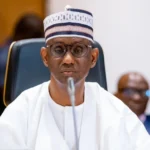

Development consultant and public affairs analyst, Dr. Sunday Kwambuge, has warned that Nigeria is facing growing donor fatigue as international development partners become increasingly concerned about the lack of visible impact from years of financial assistance to the country.
Dr. Kwambuge made the statement while speaking as a guest on S24 Television’s Spotlight programme, where he discussed development challenges, insecurity, and governance issues in Nigeria.
According to him, Nigeria has received substantial support from international donors over the years, particularly in areas such as humanitarian assistance, development programmes, and security interventions. However, many donors are now expressing concerns over the effectiveness and sustainability of these interventions.
“The problem in Nigeria has persisted for many years despite the huge amount of support coming from donor agencies. Many donors are beginning to lament because they are not seeing the expected impact of their investments,” he said.
Dr. Kwambuge explained that development partners are increasingly shifting their approach from direct funding to what he described as “development partnerships,” which focus on empowering local institutions and communities to drive sustainable development.
He noted that donors are now emphasizing the strengthening of local capacity and institutions to ensure that development projects remain effective long after external support has ended.
Speaking on the country’s security challenges, the public administrator expressed concern over the continued wave of attacks and kidnappings across various parts of Nigeria. He urged relevant authorities to intensify efforts to rescue abducted children and improve the overall security situation in the country.
“The issue of insecurity appears not to be receiving the level of attention it deserves. Government must take urgent steps to protect lives and property and restore confidence among citizens,” he stated.
Dr. Kwambuge also lamented what he described as a growing lack of public trust in governance, particularly regarding security spending. He argued that despite significant budgetary allocations for security and the procurement of security resources, many challenges remain unresolved.
He cited recent attacks and security incidents in communities including Askira-Uba in Borno State, Benisheikh, parts of Zamfara, Kwara, Oyo, and several other areas affected by insecurity across the country.
According to him, the persistence of these attacks raises important questions about the effectiveness of existing security strategies and the management of resources dedicated to addressing the crisis.
Dr. Kwambuge called for greater accountability, improved governance, and stronger collaboration between government institutions, development partners, and local communities to tackle Nigeria’s development and security challenges.
He stressed that rebuilding trust among citizens and international partners is essential for the country’s long-term stability and growth.This version is edited for clarity, grammar, structure, and publication standards.