
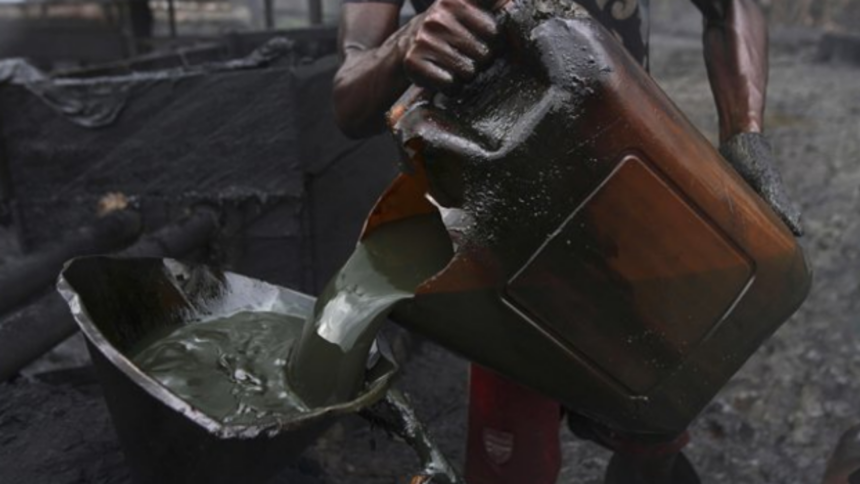
The ongoing conflict in the Middle East is beginning to have a significant impact on global oil trade and the world economy, as rising oil prices and disruptions to shipping routes are creating turbulence in international markets.
Reports from economic experts indicate that instability in the region has driven up oil prices worldwide, while countries dependent on petroleum face shortages and price uncertainty. This situation is affecting markets in Europe, Asia, and the United States, with oil prices increasing beyond typical levels.
In addition, the conflict has disrupted oil shipping routes from the Persian Gulf and other key ports, causing supply delays to consuming nations. Analysts warn that continued instability in the region could further escalate commodity prices and create broader economic turbulence globally.
Energy-dependent countries are taking precautions, while governments seek solutions to mitigate the conflict’s impact on oil prices and supply. Economists continue to monitor developments in the Middle East, projecting that the conflict could affect the global economy in the coming months.
As the world watches the unfolding situation, experts advise countries and companies to strengthen energy strategies and reduce reliance on routes exposed to regional risk.