
I grew up thinking pasta was basically our own thing in Nigeria because it became part of everyday life, from spaghetti jollof at food vendors to quick family dinners, school lunches, and Sunday meals, it felt like a food that had always belonged here.
Many Nigerian homes always had packs of spaghetti or macaroni tucked away in the kitchen, it was easy to cook, affordable, and could feed a lot of people.
That’s why I was genuinely surprised when I discovered pasta did not start in Nigeria at all. Its roots actually trace back to Italy, and suddenly a familiar meal turned into a fascinating history lesson.
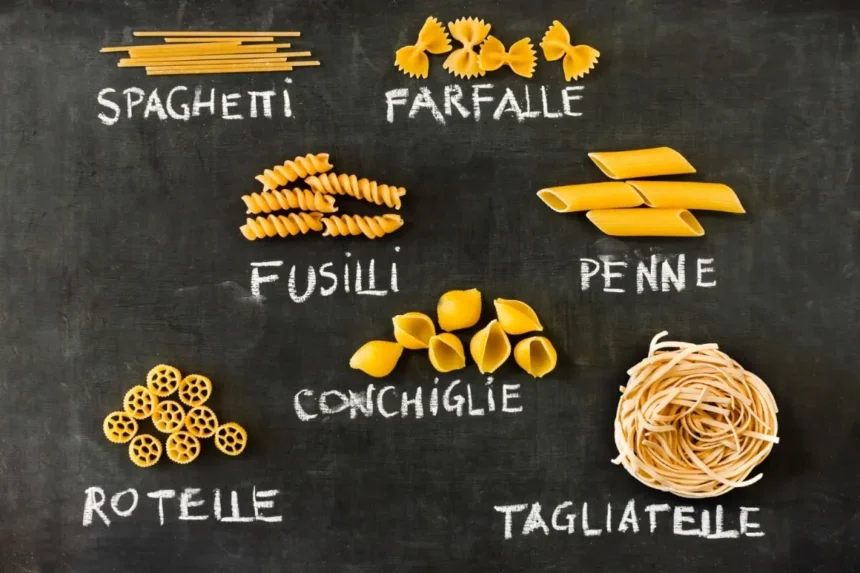
As I looked deeper, I realized pasta is much more than the spaghetti and macaroni many of us know. There are long types like spaghetti and linguine, short shapes like penne and fusilli, tube pasta, flat sheets like lasagna, tiny pasta used in soups, and stuffed pasta like ravioli.
These shapes are not random. Each one serves a purpose. Long pasta works well with lighter sauces, while shorter and ridged shapes hold thicker sauces better. Stuffed pasta carries fillings like meat, vegetables, and cheese.
Italians perfected the art of matching pasta shapes with the right sauces and ingredients. I never realized that something as simple as shape could completely change the eating experience.
I also discovered that people around the world prepare pasta in very different ways. Nigerians often cook spaghetti with rich tomato stew, peppers, vegetables, and bold flavors.
It is common to see it served with fried plantain, chicken, or beef at parties and family gatherings. In Italy, pasta is more than food; it is part of culture and tradition.
Different regions in Italy even have their own pasta styles and recipes passed down through generations. Other countries also adapted pasta using local ingredients and cooking styles, giving the same food entirely new identities.
The history surprised me even more. Early forms of pasta-like foods appeared centuries ago around the Mediterranean, but Italy became the place that transformed pasta into the global staple we know today.
Historians believe pasta evolved over time through trade and cultural exchange before Italians refined its production and preparation. From Italy, pasta spread across continents through travel and trade until it reached homes far from its origins.
Somewhere along that journey, it found its way into Nigerian kitchens, and we embraced it so completely that many of us grew up believing it had always been ours.