As Nigeria prepares for the 2027 general elections, several serving state governors are positioning themselves for another four-year term, while opposition parties and rival politicians are working to unseat them.
The 1999 Constitution, as amended, allows a governor to serve a maximum of two four-year terms. For governors elected for the first time in 2023, the 2027 election therefore represents an opportunity to seek another mandate from voters.
The emerging contests are already generating political activity across several states, with incumbents highlighting their achievements while opposition candidates seek to capitalise on concerns over security, economic hardship, infrastructure, education and governance.
Political observers say the elections will provide voters with an opportunity to assess the performance of governors during their first terms and determine whether they deserve another four years.
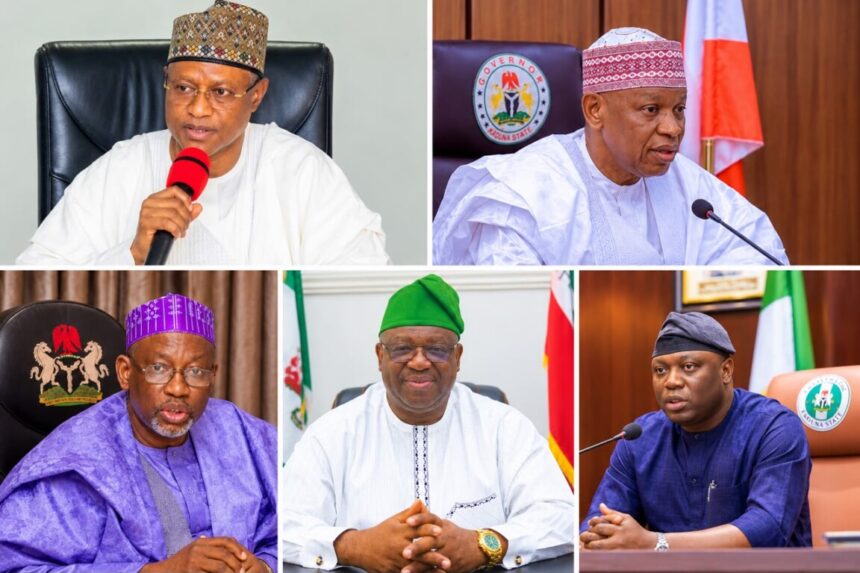
Among the governors expected to seek re-election are those in Kaduna, Kano, Plateau, Sokoto, Taraba, Katsina, Jigawa, Zamfara and several southern states.
Sani Faces Battle in Kaduna
Kaduna State Governor Uba Sani is seeking a second term after emerging as one of the prominent figures within the All Progressives Congress (APC) in the North.
Sani became governor in 2023, succeeding Nasir El-Rufai.
His administration is expected to face a strong challenge from opposition figures as political activities intensify ahead of 2027.
One of the names attracting attention is former Kaduna State governorship candidate Isah Ashiru Kudan, who is associated with the African Democratic Congress (ADC).
Security and the economy are expected to remain major issues in Kaduna’s political debate.
The governor will be seeking to convince voters that his administration’s policies and programmes deserve another mandate, while his opponents are likely to focus on areas where they believe the government has fallen short.
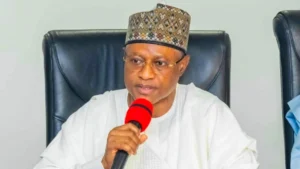
Abba Kabir Yusuf Seeks Second Term in Kano
Kano State Governor Abba Kabir Yusuf is also preparing for a second-term bid.
Yusuf was elected governor in 2023 on the platform of the New Nigeria Peoples Party (NNPP), but subsequently moved to the APC.
The political importance of Kano makes the 2027 governorship contest one of the races expected to attract significant national attention.
Kano is Nigeria’s most populous state according to recent population estimates, making its political structure particularly important to the major parties.
Yusuf’s supporters point to his political backing within the APC as an advantage.
However, opposition forces are expected to mount a strong challenge, with former political allies and prominent figures likely to play important roles in the contest.
The election could therefore become a major test of the governor’s political strength following his movement from the NNPP to the APC.
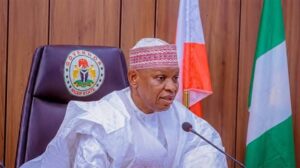
Mutfwang Seeks Another Term in Plateau
Plateau State Governor Caleb Mutfwang is another incumbent expected to seek re-election.
Mutfwang won the 2023 governorship election on the platform of the PDP following a fiercely contested electoral process that generated prolonged legal disputes.
He later moved to the APC, changing the political calculations ahead of the 2027 election.
Security and peace are expected to remain central issues in Plateau, where communities have experienced recurring violence involving ethnic and religious tensions.
Mutfwang will therefore face the task of convincing voters that his administration has made sufficient progress in addressing insecurity and promoting stability.
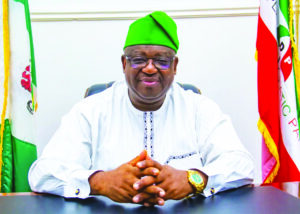
Ahmad Aliyu Targets Second Term in Sokoto
Sokoto State Governor Ahmad Aliyu is seeking another term under the APC.
Aliyu won the 2023 election, taking the governorship from the PDP.
He has the backing of influential APC figures in the state, including former governor Aliyu Magatakarda Wamakko.
However, the opposition is expected to challenge the incumbent strongly.
The emergence of opposition coalitions and the political influence of former governor Aminu Waziri Tambuwal could make the Sokoto contest one of the closely watched races in the North-West.
Security, economic hardship and the delivery of social services are expected to feature prominently in the campaign.
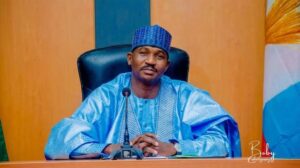
Kefas Faces Challenge in Taraba
Taraba State Governor Agbu Kefas is also seeking a second term.
Kefas won the 2023 election under the PDP but has since defected to the APC.
His administration has highlighted education and community development as areas of focus.
However, opposition parties are expected to challenge him.
Professor Yahaya Sani, who finished second in the 2023 election while running on the NNPP platform, has been identified as one of the potential challengers.
The 2027 contest could therefore become a test of Kefas’s political support following his change of party.
Radda Faces Security Test in Katsina
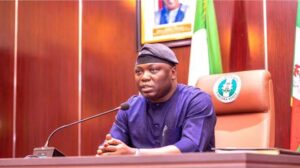
Katsina State Governor Dikko Umar Radda is seeking another term under the APC.
Radda enjoys support from influential figures within the governing party, but insecurity remains one of the most important issues facing the state.
Banditry and attacks in parts of Katsina have affected communities, agriculture and economic activities.
For many voters, the government’s ability to improve security will likely be an important factor in determining whether the incumbent receives another mandate.
The opposition PDP and ADC are expected to seek to capitalise on security concerns and economic hardship.
Umar Namadi Seeks Second Term in Jigawa
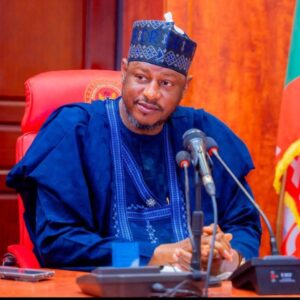
Jigawa State Governor Umar Namadi is another APC governor seeking re-election.
Namadi inherited an established APC political structure in the state and has maintained relationships with influential political actors.
His administration will nevertheless face pressure to demonstrate improvements in economic opportunities and living standards.
Agriculture, poverty reduction, employment, education and welfare are expected to be among the issues shaping the election.
For the incumbent, the central challenge will be translating government programmes into improvements that voters can directly identify with.

Dauda Lawal Targets Second Term in Zamfara
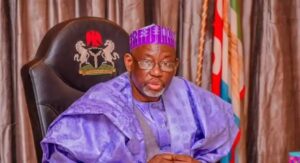
Zamfara State Governor Dauda Lawal is also expected to seek another term.
Lawal defeated the APC candidate in the 2023 election, ending the party’s control of the state.
He has subsequently moved to the APC, adding another dimension to the state’s political realignment.
Security is expected to dominate the 2027 campaign in Zamfara, which has suffered years of banditry and attacks.
The opposition will likely argue that the government’s handling of insecurity and economic hardship should determine whether Lawal deserves another term.
Governors in Southern Nigeria Also Seeking Re-election
The second-term contest is not limited to the northern states.
Several governors in southern Nigeria are also expected to seek another four-year mandate.
They include:
- Alex Otti — Abia State
- Umo Eno — Akwa Ibom State
- Hyacinth Alia — Benue State
- Bassey Otu — Cross River State
- Sheriff Oborevwori — Delta State
- Francis Nwifuru — Ebonyi State
- Peter Mbah — Enugu State
Their individual political circumstances differ, but each will face the same fundamental question from voters: Has the administration performed well enough to deserve another four years?
What Will Determine the 2027 Governorship Elections?
The emerging political contests suggest that incumbency alone will not necessarily guarantee victory.
Security is expected to be a major issue, particularly in states affected by banditry, terrorism and communal violence.
The economy will also matter. With Nigerians facing high living costs, unemployment and pressure on household incomes, candidates will be expected to explain how their policies have affected ordinary citizens.
Education and healthcare will also feature prominently, particularly in states where human capital development remains a major challenge.
Infrastructure will remain another important campaign issue, but voters may increasingly demand evidence of how government projects have translated into employment, business opportunities and improved living standards.
Political alliances will also be crucial.
The movement of governors between political parties has already changed the political calculations in several states. Governors who were elected under one party but subsequently defected to another will have to convince their original supporters that the political realignment serves their interests.
2027 Could Be a Major Test for Incumbents
The 2027 governorship elections will provide voters across the affected states with an opportunity to reward or reject incumbent administrations.
Governors seeking a second term will campaign on their records, citing infrastructure projects, education programmes, healthcare initiatives, economic policies, security interventions and other achievements.
Opposition candidates, meanwhile, will attempt to shift the debate towards shortcomings in governance, economic hardship, insecurity and unmet campaign promises.
Ultimately, the strength of political structures, alliances, candidate popularity, party organisation and voter assessment of government performance could determine who secures another four-year mandate.
For the governors seeking re-election, the 2027 election will therefore be more than a contest between political parties. It will be a referendum on their first-term records and their ability to convince voters that the next four years will deliver better results.