
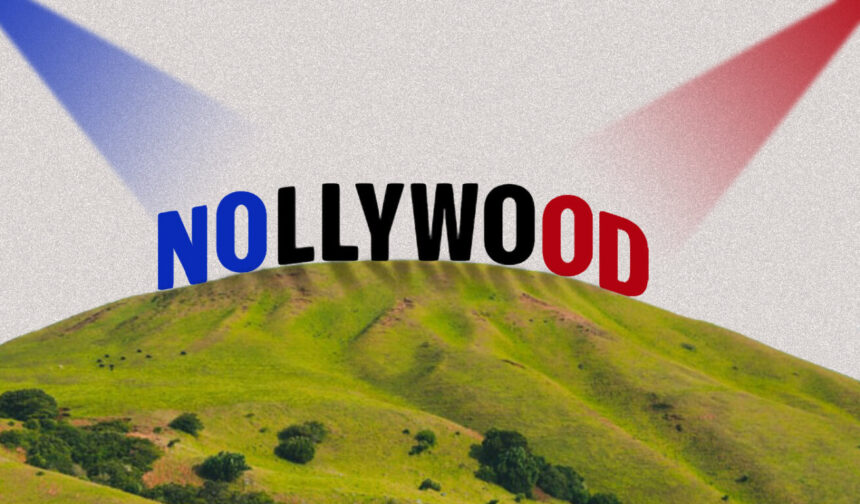
Few African creative industries have experienced a transformation as remarkable as Nollywood.
From low-budget home videos in the 1990s to globally recognized films on major streaming platforms, Nigeria’s film industry has grown into one of the largest movie industries in the world.
Nollywood represents more than entertainment. It reflects Nigeria’s culture, traditions, struggles, humor, and social realities while providing a platform for thousands of actors, filmmakers, producers, and other creative professionals.
The history of Nollywood began long before the industry earned its name.
Nigerian cinema developed from colonial era filmmaking in the early 20th century when British authorities used films mainly for education and propaganda.
After Nigeria gained independence in 1960, local filmmakers began creating stories that reflected Nigerian experiences. The growth of television stations across the country also helped develop acting and production talent.
During the 1970s and 1980s, Nigerian television dramas became popular. Programes such as The Village Headmaster introduced audiences to locally produced stories and helped shape the future of Nigerian entertainment.
However, producing films for cinemas remained expensive, and many filmmakers struggled with limited funding and distribution challenges.
The modern Nollywood era began in 1992 with the release of Living in Bondage, produced by Kenneth Nnebue.
The film, shot mainly on VHS, became a major commercial success and changed the direction of Nigerian filmmaking. It proved that Nigerian audiences wanted locally produced stories told by Nigerian actors.
The success of Living in Bondage created a new home video market. Producers began making films quickly and selling them directly to viewers through markets and video distributors.
This period marked the beginning of what became known worldwide as Nollywood.
During the 1990s and early 2000s, Nollywood experienced rapid expansion. Filmmakers produced hundreds of movies every year, making Nigeria one of the world’s most productive film industries.
Actors such as Pete Edochie, Genevieve Nnaji, Omotola Jalade Ekeinde, and Ramsey Nouah became household names.
Popular story themes included family conflicts, romance, traditional beliefs, politics, corruption, and social issues. Nollywood films became popular not only in Nigeria but also across Africa and among Nigerians living abroad.
Despite its popularity, the industry faced criticism over poor production quality, limited budgets, and weak copyright protection. Many filmmakers struggled with piracy, which reduced profits.
The 2010s brought a major shift in Nigerian filmmaking. Producers began investing more in cinema quality productions, better scripts, improved technology, and professional training.
Films such as The Figurine, Half of a Yellow Sun, and The Wedding Party helped change international perceptions of Nollywood.
The rise of modern cinemas across Nigeria also created new opportunities for filmmakers. Instead of relying mainly on home video sales, producers could now earn revenue through theatrical releases.
The arrival of streaming platforms transformed Nollywood once again. International companies began investing in Nigerian content and making Nigerian films available to audiences worldwide.
Platforms such as Netflix and Amazon Prime video expanded access to Nigerian films beyond Africa.
Movies like Lionheart, directed by Genevieve Nnaji, gained international attention and showed the creative strength of Nigerian filmmakers.
Today, Nollywood produces films across different genres, including drama, comedy, thriller, romance, historical stories, and documentaries.
Nollywood has become a major contributor to Nigeria’s creative economy. The industry provides jobs for actors, directors, writers, editors, costume designers, makeup artists, and many others.
It also plays an important role in promoting Nigerian culture internationally. Through film, audiences around the world learn about Nigerian languages, traditions, fashion, music, and lifestyles.
Despite its success, Nollywood still faces several challenges. These include high production costs, limited infrastructure, piracy, inadequate funding, and difficulties accessing international markets.
Many filmmakers continue to call for stronger support systems, improved training opportunities, and better protection for creative works.
Nollywood’s journey from VHS productions to global streaming success shows the strength and creativity of Nigerian storytellers.
The industry continues to evolve with new filmmakers, advanced technology, and larger investments. As Nigerian stories reach more audiences worldwide, Nollywood remains one of Africa’s most influential cultural exports.
From Living in Bondage to modern global releases, Nollywood’s history is a story of innovation, resilience, and the power of storytelling.