
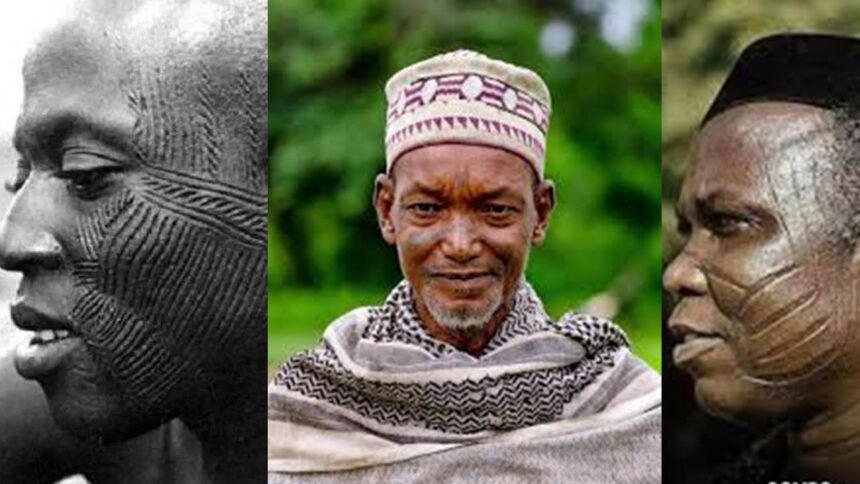
Across the world, people have used body marks to show identity, beauty, spirituality, and belonging.
Polynesian tattoos and Nigerian tribal marks carry stories that words cannot fully explain, many Indigenous communities used these marks to show family roots, social status, courage, and major life events.
Before modern identification systems appeared, people used the body itself to preserve history and culture.
People across Polynesia have practiced tatau for thousands of years, different island groups created symbols inspired by nature, ancestry, and spiritual beliefs.
Some tattoos represent strength, protection, fertility, or ocean journeys. Others celebrate adulthood, family heritage, or personal achievements.
Traditional artists created these tattoos with tools made from bone and wood, the tapping process carried both physical and spiritual meaning, but today, many Polynesian tattoo artists still design tattoos around personal stories instead of copying old patterns.
Many Nigerian communities also used body marks to express identity and heritage, the Hausa, Fulani, and Yoruba developed different scarification traditions over generations.
Hausa facial marks, known as tsagar gado, often featured simple lines on the cheeks or forehead, families used some marks to show lineage or regional identity, while traditional healers also made small cuts during treatments for childhood illnesses.
Fulani communities often preferred thinner and more delicate facial marks, many people viewed these marks as symbols of beauty and elegance.
Yoruba communities created some of the most detailed tribal marks in West Africa, styles such as Abaja, Pélé, Gombo, Kéke, and Soju identified towns, families, and social backgrounds. Some families also believed these marks protected children from spiritual harm.
Polynesian tattoos and Nigerian tribal marks developed in different parts of the world, yet both traditions share similar meanings.
People used body marks to preserve memory, strengthen community ties, and honor ancestry, over time, colonialism, religion, modernization, and changing beauty standards reduced the popularity of these traditions.
Today, many young people have started showing interest in Indigenous body art again, communities across the world now celebrate these traditions as important parts of cultural heritage.
At the same time, conversations about cultural respect and appropriation continue to grow, whether through scarification in West Africa or tattooing in Polynesia, body marks continue to tell stories about identity, history, and human connection.