
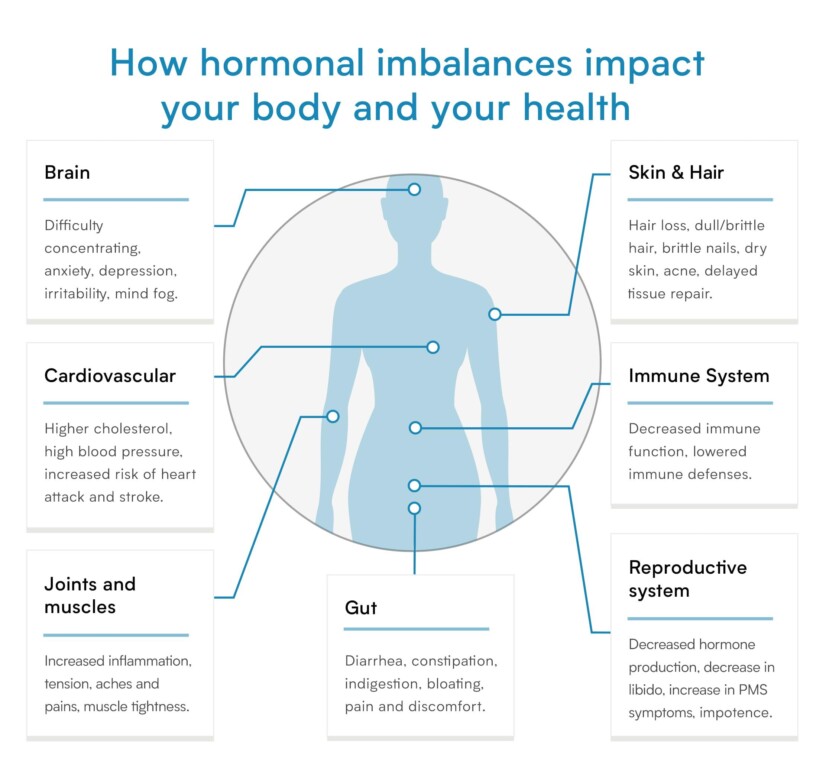
A major breakthrough in women’s health has emerged with a proposed shift from Polycystic Ovary Syndrome to the term PMOS (polyendocrine metabolic ovarian syndrome).
Experts behind the change argue that the old name places too much focus on ovarian cysts, while overlooking the broader hormonal and metabolic nature of the condition.
The condition affects about one in eight women, yet many remain undiagnosed due to confusion around symptoms and stigma.
According to specialists, several common beliefs about PMOS are misleading, as it does not automatically cause infertility, although it can affect ovulation and make conception more difficult for some.
Weight gain is also not simply a matter of lifestyle choices, as insulin resistance and hormonal differences can strongly influence metabolism, similarly, there is no single “perfect diet” or a hormonal contraceptive “cure” that works for everyone, despite common misconceptions.
Instead, experts emphasise a more personalised approach to managing Polycystic Ovary Syndrome, focusing on balanced nutrition, regular movement, sleep, and stress management, with medical support where needed.
Mental health symptoms are also recognised as being influenced by biology as well as emotional factors, but the overall message is that the condition is complex and varied, and effective care depends on treating it as a whole-body metabolic and hormonal disorder rather than a single-issue reproductive condition.