
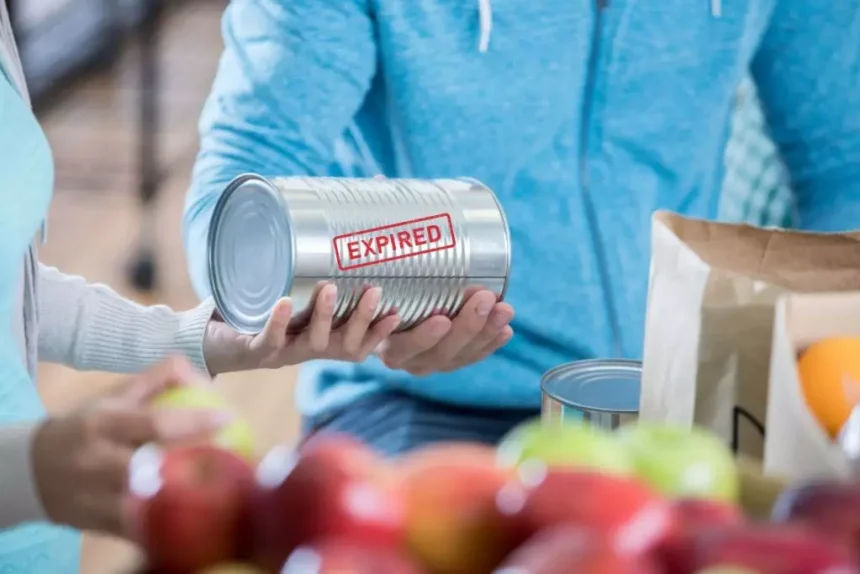
Health experts have raised concerns over the increasing circulation of fake, expired and unverified products in Nigerian markets, warning that millions of citizens may be at risk due to forged expiry dates and counterfeit NAFDAC registration numbers.
According to public health advocates, the rise in fake consumable products across the country has become a serious threat to human health, especially in busy commercial centres and motor parks where many travelers buy drinks, medicines and food items without proper verification.
Experts stressed that not every product displayed for public consumption is safe, noting that fake manufacturers now imitate packaging, expiry dates and registration details to deceive consumers.
Cities including Lagos, Kano, Abuja, Sokoto, Ilorin and Jos were identified as major hotspots where fake and expired products are frequently circulated due to high commercial activities and population movement.
They warned Nigerians to pay close attention to NAFDAC registration numbers before purchasing products, adding that products without valid registration details should be avoided.
Consumers were also advised to verify products through the NAFDAC Greenbook platform by searching product names or registration numbers. Authorities further encouraged the use of the Mobile Authentication Service, which allows buyers to scratch a panel on medicines and text the displayed PIN to verify authenticity.
Health advocates called on the National Agency for Food and Drug Administration and Control and other relevant agencies to intensify monitoring and hold producers, retailers and manufacturers accountable for distributing expired or fake products.
They also urged the Federal Government to strengthen regulations against the use of forged expiry dates on consumable goods, warning that continued negligence could endanger public health.
Speaking on the dangers of expired products, a resident identified as “Dogo,” a roadside coffee seller in Sinawu community of Kwara State, reportedly purchased a sachet of milk in November 2025 without knowing it had expired since January 2025.
According to reports, the businessman, who could neither read nor write, only became suspicious after noticing a strange appearance when he opened the product. A customer later confirmed the item had expired months earlier and advised him to dispose of it.
Health experts say incidents like this occur daily across Nigeria and continue to expose consumers to avoidable health complications.
They urged Nigerians to remain vigilant and carefully inspect products before eating or drinking anything purchased in public places.