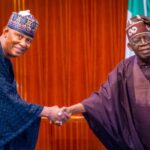

Governor of Imo State and Chairman of the Progressive Governors’ Forum, Hope Uzodimma, says President Bola Ahmed Tinubu’s economic reforms have strengthened Nigeria’s fiscal position. He disclosed that foreign reserves now stand at $49.4 billion.
He spoke on Monday in Abuja. Importantly, he addressed members of the diplomatic corps at an interactive session on Nigeria’s economy.
According to him, reserves rose from about $32 billion in mid-2024 to $49.4 billion by March 2026. As a result, Nigeria now has about 13 months of import cover.
Furthermore, he attributed the increase to improved macroeconomic stability. In addition, he said investor confidence has improved significantly.
To explain the gains, Uzodimma pointed to two major reforms. These include fuel subsidy removal and foreign exchange unification.
First, he said subsidy removal ended years of fiscal leakages. Consequently, funds now support infrastructure and social programmes.
Meanwhile, FX reforms improved transparency in the market. Previously, multiple exchange rates created arbitrage opportunities.
However, he noted that the gap between official and parallel rates has now fallen below two per cent.
In the same vein, Uzodimma said investor sentiment has strengthened. He added that Nigeria is now easier to model for investment planning.
Additionally, diaspora remittances have increased sharply. They rose from $200 million monthly in 2023 to $600 million in 2026.
Moreover, FX market liquidity reached $10 billion in April 2026.
He further disclosed that Nigeria cleared over $10 billion in FX liabilities. At the same time, the country secured more than $50 billion in investment commitments.
Similarly, states have benefited from higher revenue inflows. FAAC allocations now range between N1.8 trillion and N2.6 trillion monthly.
As a result, states now receive between N700 billion and N800 billion monthly. Notably, allocations reached N784 billion in February 2026.
Therefore, Uzodimma said state governments now have stronger fiscal capacity. In turn, reliance on federal bailouts has reduced significantly.
Finally, Uzodimma cited credit rating upgrades from Fitch Ratings and Moody’s. He said these reflect growing international confidence in Nigeria.
Overall, he maintained that the reforms have improved economic stability. Consequently, Nigeria is now better positioned for investment and long-term growth.