
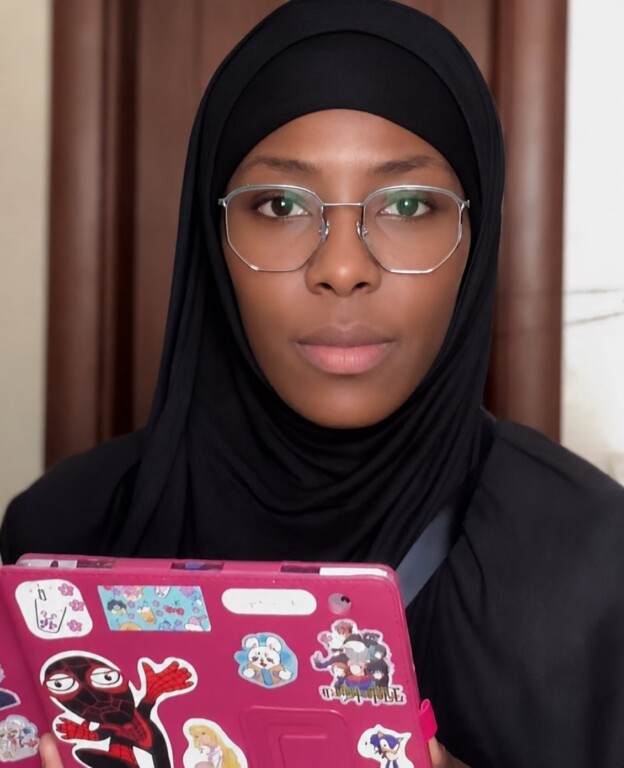
A Nigerian nurse working in Kuwait has shared her experience of how assumptions about Africans often shape how they are perceived in public spaces, even when they hold professional qualifications.
She recounted visiting a nearby shop in her usual house dress and hijab to buy groceries. After selecting her items and proceeding to pay, the shop owner asked her the familiar question she often hears.
“Which country are you from?”
She responded calmly that she is from Nigeria. The next question followed immediately: what her job was.
Without hesitation, she said she is a nurse. However, the shop owner dismissed her response and insisted she was a “Khadama,” a term commonly used in Kuwait to refer to domestic workers or house helpers.
She explained that while she holds deep respect for domestic workers, who work under demanding conditions to earn an honest living, she was taken aback by the assumption that she was not telling the truth about her profession.
She left the shop quietly that day.
The following day, before heading to work, she returned to the same shop. This time, she wore her full nursing uniform with her identification card clearly visible. She noted that she usually conceals her ID when outside work, but deliberately chose not to on this occasion.
Upon entering the shop, she made eye contact with the same shop owner, who immediately noticed her ID badge.
She described the moment as satisfying, as the visual confirmation of her profession challenged the earlier assumption.
After picking a drink and proceeding to pay, the shop owner asked if she was going to work. She confirmed that she was.
She reflected that her experience highlights a broader issue where Africans, even when qualified professionals, are sometimes not readily believed in certain environments due to stereotypes.
She added that while she works abroad, her identity remains rooted in her country.
“We may travel across the world in search of better opportunities, but Nigeria will always be home,” she said.