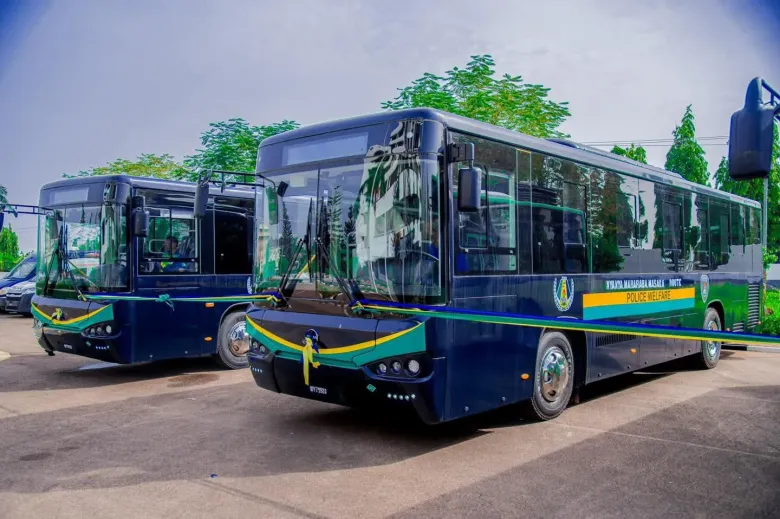
The Nigeria Police Force decided to adopt Compressed Natural Gas (CNG) buses because of the rising cost of petrol and diesel, which has made transportation and daily police operations more expensive across the country.
Since fuel subsidy removal in Nigeria, the price of fuel has increased sharply, affecting many government agencies, including the police. Moving patrol vehicles, transporting officers, and carrying out emergency operations now require much more money than before. This created a need for a cheaper and more sustainable option.
CNG is seen as a better alternative because it costs less than petrol and diesel and can help the police save money in the long run. It also burns cleaner, which means it produces less pollution and supports efforts to protect the environment.
The Federal Government has been promoting CNG as part of its national energy plan, encouraging both public and private organisations to switch to cleaner and more affordable fuel options. Through the Presidential Initiative on CNG and Electric Vehicles, the police joined this national programme to improve efficiency and reduce spending.
Another reason for the change is the need to modernise police operations. Authorities want the Force to work with better technology and smarter systems that improve service delivery. By introducing CNG buses and setting up conversion centres, the police aim to build a stronger transport system for officers nationwide.
The move also reflects global best practices, where many law enforcement agencies are adopting cleaner energy solutions to reduce costs and support environmental sustainability.