
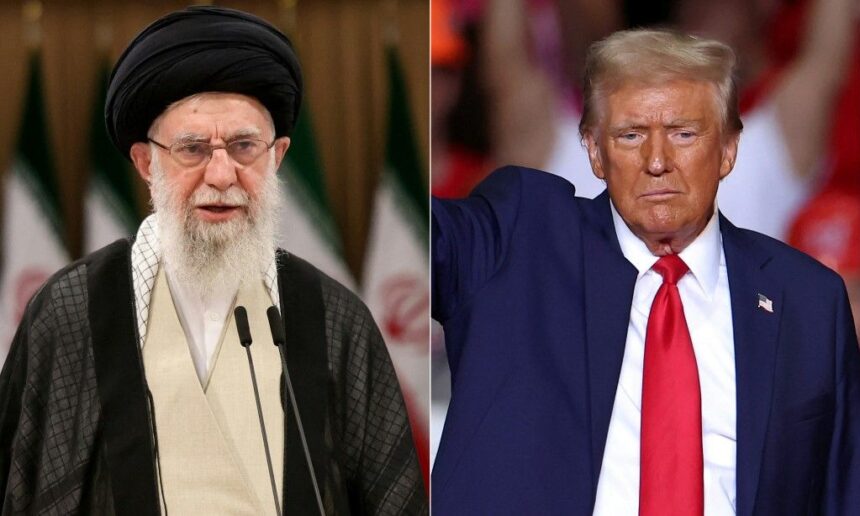
Iran has rejected a proposed ceasefire as tensions escalate, just hours before the deadline set by Donald Trump in his latest ultimatum.
Tehran instead called for a permanent end to the conflict, dismissing the idea of a temporary truce.
Iran’s response outlined broader conditions for peace, including an end to regional hostilities, safe navigation through the Strait of Hormuz, lifting of sanctions, and reconstruction efforts.
Officials stressed that any agreement must address the root causes of the conflict rather than offer a short-term pause.
The rejection comes as Trump warned that failure to comply with U.S. demands, particularly reopening the strategic Strait of Hormuz, could result in severe consequences.
Read Also: U.S-Iran War: Fresh Escalation as Conflict Enters Sixth Week
He has threatened to “rain hell” on Iran if a deal is not reached before the deadline.
The Strait of Hormuz remains a critical global oil route, and its disruption has heightened international concern over energy supplies and regional stability.
The standoff has intensified fears of a wider conflict in the Middle East, with both sides maintaining hardline positions.
Iran has warned of strong retaliation if further military action is taken, while diplomatic efforts continue behind the scenes to prevent escalation.
With the deadline approaching, the situation remains volatile.
While negotiations are still being explored, the gap between both sides suggests a difficult path toward de-escalation.