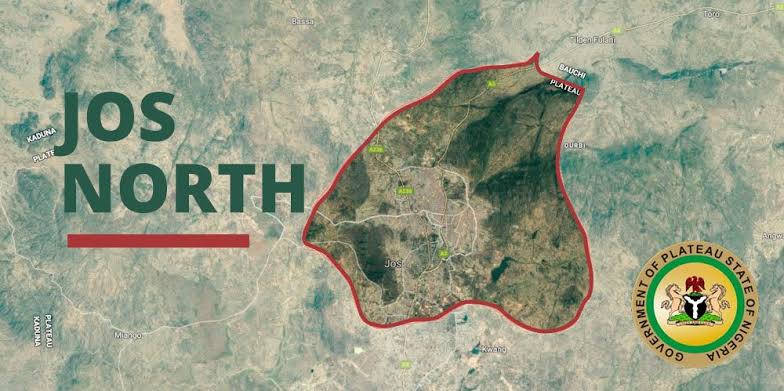
Fresh concerns have emerged over the clarity and potential effectiveness of emergency restrictions imposed in Plateau State following a deadly attack in Jos North Local Government Area.
Authorities announced a 48-hour curfew after what they described as a “tragic security incident” in Gari Ya Waye community, Angwan Rukuba. However, conflicting official statements have raised questions about coordination and public compliance.
The Plateau State Government said the curfew took effect from midnight, March 29 to April 1, 2026, to contain tensions and prevent further violence.
According to the Commissioner for Information, Joyce Lohya Ramnap, the measure aims to:
- Support ongoing security operations
- Prevent reprisals
- Restore calm in affected communities
Meanwhile, casualty figures remain unclear. While the government confirmed deaths and injuries, it has not released an official toll.
Despite the state’s announcement, John Christopher, Chairman of Jos North LGA, reportedly stated that “there is no curfew in place.”
This contradiction has created confusion at a critical moment.
As a result, analysts warn that mixed messaging could weaken public compliance, especially in a volatile security environment where clarity is essential.
Security agencies have since increased their presence across the area.
Residents have been advised to restrict movement, comply with curfew directives and Allow security forces to carry out operations
However, enforcement effectiveness may depend on how clearly and consistently directives are communicated.
The latest attack reflects a long-standing pattern of instability in Jos and surrounding areas.
The region has experienced repeated clashes linked to:
- Land disputes
- Political tensions
- “Indigene-settler” divisions
Notably:
- The 2001 Jos crisis left over 1,000 people dead
- The 2008 violence claimed at least 700 lives
- The 2010 clashes also resulted in hundreds of deaths
More recently:
- December 2023 attacks killed over 100 people
- January 2024 violence in Mangu left at least 30 dead, despite a curfew
These incidents highlight the limits of curfews in addressing deeper structural issues.
Curfews can help slow movement and signal government control. However, they do not automatically resolve underlying drivers of conflict.
Therefore, the success of the current restrictions may depend on two key factors:
- Consistent enforcement by security forces
- Clear and unified communication from authorities
At this stage, there is no confirmed evidence of widespread non-compliance.
However, the conflicting statements point to a credibility and coordination risk that could undermine the curfew’s effectiveness.
In fragile security situations, clear communication is critical—because uncertainty can be almost as damaging as inaction.