
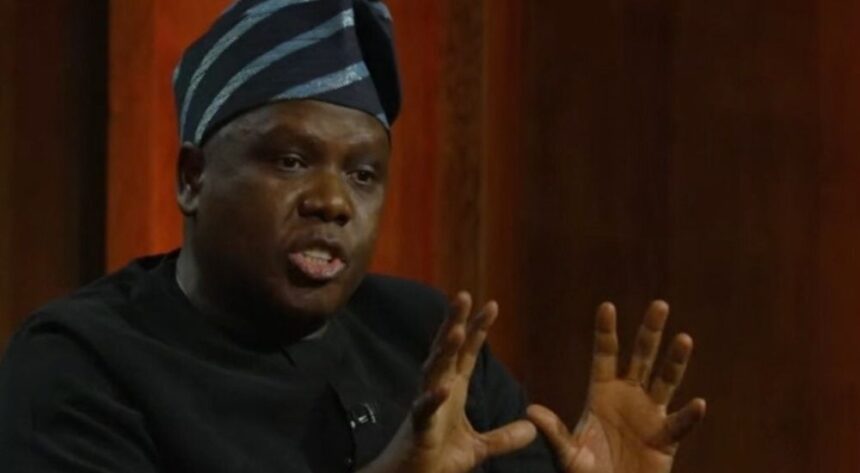
In modern politics, one of the most difficult opponents a public figure can face is their own past words. That reality became clear during the recent interview between Daniel Bwala and Mehdi Hasan.
Many viewers saw the exchange as a clash of intellect. However, the tension in the conversation revealed a deeper issue: political consistency and credibility.
When Past Statements Resurface
The challenge for Bwala during the interview was not a lack of intelligence or preparation. Instead, it came from the contrast between his past criticisms of the ruling party and his current role defending it.
In political communication, such reversals rarely go unnoticed. Earlier statements were widely broadcast and carefully documented.
Before joining the administration of President Bola Ahmed Tinubu, Bwala had been one of the ruling party’s outspoken critics.
A Record of Earlier Criticism
Several statements from the 2023 election period highlight Bwala’s earlier position.
May 2023 – Arise TV Interview
Bwala questioned Tinubu’s electoral victory. During the interview, he repeatedly referred to him as “president-select” instead of “president-elect.” He argued that the election was still being contested in court.
During the 2023 Election Period
Bwala also suggested that Tinubu could face “moral legitimacy” challenges because the election results were disputed.
Earlier Political Commentary
In another widely shared remark, Bwala criticised the ruling party by saying:
“The human brain works 24 hours a day… until you join APC, then it stops working.”
At the time, these comments reflected his alignment with the political opposition.
A Shift in Political Role
Bwala’s position later changed after he joined the administration of Bola Ahmed Tinubu. He now serves as Special Adviser on Policy Communication.
This shift from critic to government spokesperson formed the backdrop to the difficult questions raised during his interview with Hasan.
Political realignments are not unusual. However, they often raise questions about consistency, credibility, and political principle.
In today’s media environment, past statements rarely disappear. Old interviews, speeches, and social media posts are easy to find.
For political figures, this means earlier comments can quickly return in a new context.
The exchange between Bwala and Hasan highlights a broader truth about modern politics: credibility often depends on consistency. Even the most skilled spokesperson cannot easily avoid that standard.