
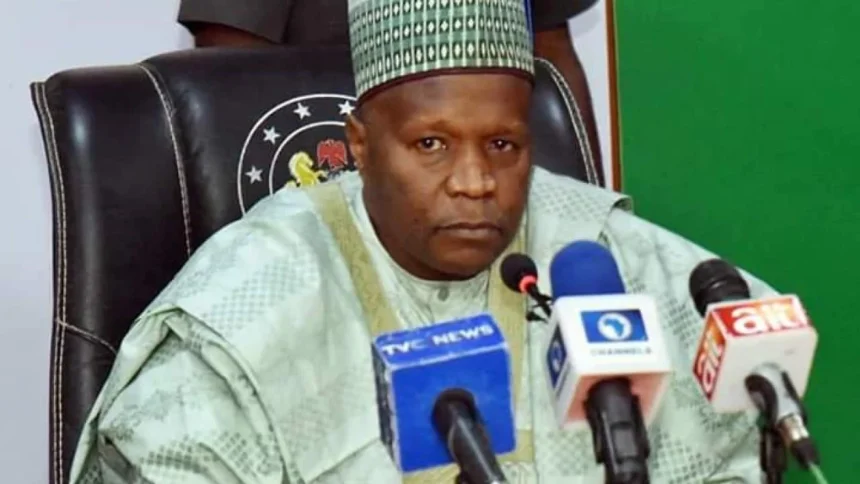
The Gombe State Government has launched a solar mini-grid project to supply electricity to 52 rural communities in Shongom Local Government Area.
These communities have been without power for more than 10 years. As a result, residents have relied on generators or lived without electricity.
The new project aims to restore stable power and improve living conditions in the area.
Governor Muhammadu Inuwa Yahaya announced the project during a commissioning and inspection tour in Shongom and Kaltungo LGAs.
He described the mini-grid as a key step toward rural development. According to him, the system will begin supplying reliable electricity in the coming months.
In addition, he urged residents to protect the facilities once they become operational.
Boost For Local Economy And Services
Officials say the project will support small businesses, schools and health centres. With stable electricity, traders can preserve goods and extend business hours.
Furthermore, students will have better lighting for study. Health facilities will also be able to power basic medical equipment.
Therefore, the initiative is expected to improve both economic activity and quality of life.
Inspection Of Other Development Projects
During the visit, the governor also inspected road construction projects in the area. He reviewed progress on a new examination centre for the Joint Admissions and Matriculation Board.
These projects, alongside the mini-grid, form part of broader infrastructure efforts in the state.
Why Solar Mini-Grids Matter In Rural Nigeria
Many rural communities in Nigeria lack access to the national power grid. Consequently, residents often depend on petrol or diesel generators, which are expensive and polluting.
Solar mini-grids offer a cleaner and more affordable option. They generate electricity from solar panels and distribute it within a small network.
Because they operate independently of the national grid, they are ideal for remote areas.
Growing Adoption Of Solar Solutions
Across Nigeria, solar power adoption has increased in recent years. Both government and private investors now support mini-grid and off-grid projects.
These systems help bridge electricity gaps in areas the national grid does not reach. In addition, they reduce pressure on the country’s central power supply.
As a result, renewable energy is becoming a key part of rural electrification efforts.
A Step Toward Long-Term Development
The Shongom mini-grid project represents more than just electricity access. It signals a push toward sustainable development in underserved communities.
If properly maintained, the system could transform daily life for thousands of residents. For now, many in the affected communities hope the long years of darkness will soon come to an end.