
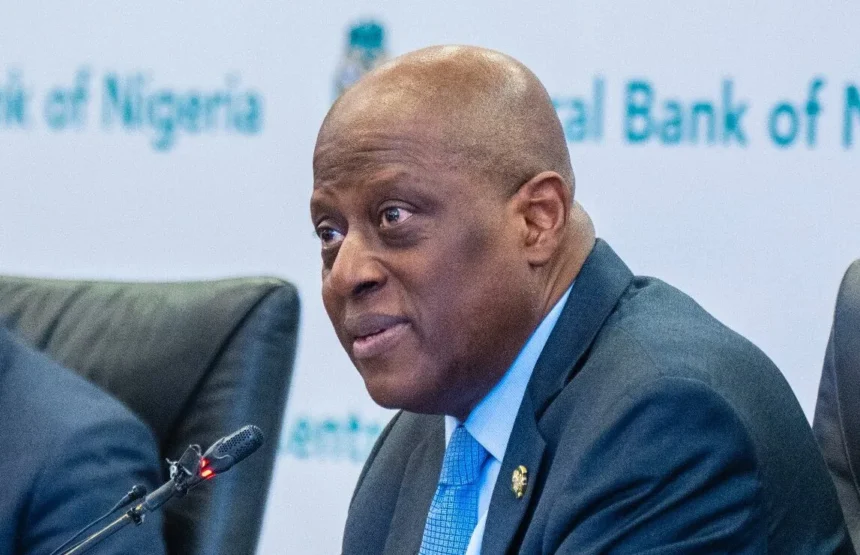
The Central Bank of Nigeria, CBN, says recent economic and financial reforms helped shield the country from severe economic hardship triggered by global shocks, including inflationary pressures, supply chain disruptions, and currency volatility.
In its latest assessment, Central Bank of Nigeria maintained that policy interventions introduced over the past few years played a stabilising role in the economy, particularly in managing foreign exchange pressures and supporting key sectors affected by external shocks.
The bank argued that without these reforms, Nigeria’s economic situation would have been significantly more vulnerable to global headwinds such as rising interest rates in advanced economies, oil price fluctuations, and post-pandemic recovery challenges.
It also pointed to measures aimed at tightening monetary policy, improving FX market transparency, and strengthening financial system resilience as key drivers that helped moderate macroeconomic instability.
While acknowledging that households and businesses still face cost-of-living pressures, the CBN insists that the reforms created buffers that prevented a deeper economic downturn and maintained overall system stability.
Economic analysts, however, continue to debate the extent of the impact, with some arguing that structural challenges still limit the full effectiveness of monetary interventions without broader fiscal and governance reforms.