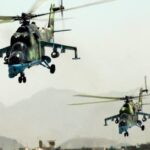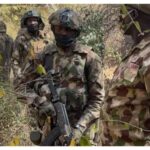
Amid rising insecurity across Nigeria, new data has revealed that the Nigerian Army received only a fraction of funds allocated for critical security equipment in the 2025 budget cycle.
According to figures from the federal government’s Open Treasury Portal reported by Daily Trust, only about N1.46 billion representing 7.11 percent of the N20.56 billion budgeted for the procurement of security equipment was released to the Army as of December 31, 2025.
The broader budget performance also reflects funding gaps across the military. Of the N4.52 trillion total expenditure proposed by the Army, approximately N1.17 trillion (25.94 percent) was disbursed within the period. Similarly, the Nigerian Air Force received about 19.04 percent of its N1.25 trillion allocation.
Further breakdown shows that key defence spending areas suffered low releases. Only about 4.96 percent of funds earmarked for defence equipment purchases were disbursed, while allocations for training, fuel, and infrastructure projects also recorded poor implementation rates. In several cases—including transport fuel, aircraft fuel, and military barracks construction no funds were released at all.
Analysts warn that the funding shortfall is occurring at a time when Nigeria faces escalating security threats. Reports indicate thousands of fatalities and abductions in 2025, with violence heavily concentrated in northern regions.
Security experts argue that inadequate funding is directly affecting military capacity, particularly in equipment procurement, communication systems, and operational logistics. They also raised concerns over inefficiencies and possible irregularities in procurement processes, calling for stronger oversight and accountability mechanisms.
The situation has drawn concern from policymakers as well. Some lawmakers have highlighted shortages of essential equipment and ammunition on the front lines, stressing that improved funding and timely releases are critical to sustaining military operations.
President Bola Ahmed Tinubu recently extended the implementation of the 2025 budget to June 2026, underscoring ongoing fiscal pressures and challenges in executing government spending plans.
With insecurity persisting and military operations intensifying, stakeholders say addressing the funding gap remains central to improving national security outcomes.