Nigeria is once again under pressure to meet its oil production targets, and the consequences are beginning to show.
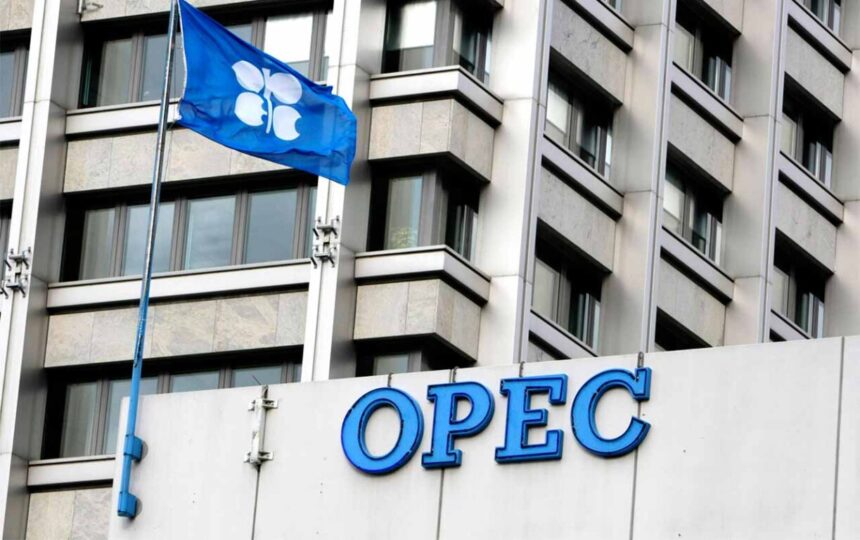
As of this morning, new reports confirm that Africa’s largest oil producer is still struggling to reach its assigned OPEC quota of 1.5 million barrels per day. The shortfall is not just a technical issue it is creating a serious financial strain on the country.
Over the past year, this production gap has translated into a massive fiscal loss exceeding ₦1.7 trillion. For a nation heavily dependent on oil revenue to fund its budget, this is no small problem.
A combination of oil theft, pipeline vandalism, and aging infrastructure continues to limit output. Large volumes of crude are lost daily through illegal tapping and operational inefficiencies. Even when production capacity exists, getting oil safely to export terminals remains a challenge.
In response, the government has introduced improved fiscal incentives, especially targeting deep water exploration projects. These incentives are designed to attract investment and boost long-term production capacity.
While these reforms may help in the future, they won’t solve the immediate problem. The national budget is already under pressure, and the revenue gap is widening faster than new investments can take effect.
This puts policymakers in a difficult position. They must balance short-term fiscal stability with long-term sector reforms, all while tackling systemic issues like security and infrastructure decay.
For now, Nigeria’s oil sector remains a story of potential held back by persistent challenges. Until production stabilizes, the economic ripple effects will continue to be felt across the country.