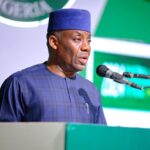

In Nigeria’s security structure, one of the most influential institutions is the Office of the National Security Adviser (ONSA).
The office is currently headed by Nuhu Ribadu, who serves as the principal adviser to Bola Ahmed Tinubu on national security matters.
Beyond advising the president, the office plays a central role in coordinating Nigeria’s entire security system.
Read Also: Ribadu, Namadi Reflect Two Models of Leadership in Nigeria
One of ONSA’s key responsibilities is coordinating Nigeria’s intelligence and security agencies.
These include the Department of State Services, the National Intelligence Agency, and the Defence Intelligence Agency.
The aim is to ensure that these agencies share intelligence, align strategies and respond jointly to threats such as terrorism, banditry and kidnapping.
The office is also responsible for shaping national security policies.
This includes designing strategies to confront insurgency linked to groups such as Boko Haram and other emerging threats.
New risks such as cybercrime and transnational organised crime are also part of the security planning framework.
ONSA also supervises the National Counter Terrorism Centre.
The centre brings together the military, intelligence and law-enforcement agencies to coordinate operations against terrorist networks.
This structure helps ensure that security responses are integrated rather than fragmented.
Despite its central role, many Nigerians continue to question the effectiveness of the country’s security coordination.
Security challenges, from terrorism in the northeast to banditry in the northwest and communal violence in other regions, remain major national concerns.
As a result, the debate about results and accountability within Nigeria’s security architecture continues.