
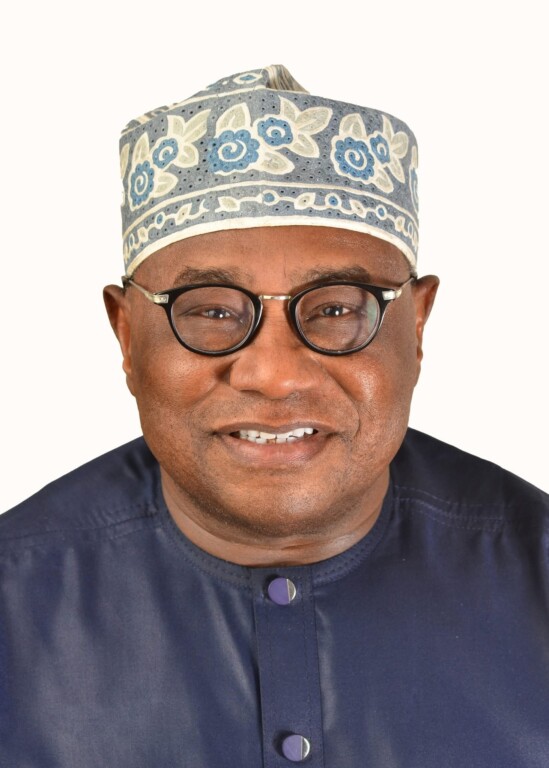
Professor Abdalla Uba Adamu has reflected on the growing influence of generative Artificial Intelligence, AI in writing, explaining why he chooses not to rely on it for his core intellectual work.
The discussion followed a question raised by a reader who asked whether his recent post on Hausa traditional cloth-making and weaving was written using AI.
The author clarified that the answer is no.
According to him, generative AI often produces text that is grammatically perfect but stylistically predictable.
Adamu noted that certain words frequently appear in AI-generated writing, including terms like “ecosystem,” “DNA,” “architecture,” “cartography,” and “nuance.”
Such patterns, he said, become noticeable to experienced writers and teachers.
After decades of teaching and supervising academic research, he explained that sudden shifts in writing style can signal AI assistance.
The scholar argued that while AI can produce polished language, it often lacks deep insight or personal experience.
He suggested that small imperfections in writing, such as spelling errors or uneven phrasing, can sometimes indicate genuine human authorship.
In contrast, perfectly structured text from inexperienced writers may raise questions about AI involvement.
Despite his reservations, the writer acknowledged that AI has become an important tool in the global knowledge economy.
He explained that he uses AI primarily for research assistance, such as gathering titles of academic references.
However, he emphasised that he verifies all sources independently to avoid what are known as AI “hallucinations,” where systems generate incorrect information.
The author stressed that he writes all of his lectures, articles and academic work personally.
He sometimes allows AI to assist with editing or drafting short texts when time is limited. Even then, he reviews and rewrites the material to reflect his own voice and experiences.
He also noted that AI tools can be helpful in editing large writing projects, including autobiographical manuscripts.
While recognising the growing role of AI in education and research, the scholar believes intellectual responsibility must remain with human writers.
For him, AI should function as an editorial or research assistant,not the author of ideas.
He concluded by inviting others to reflect on their own relationship with generative AI, asking whether people see it as a useful tool or a risk to independent thinking.