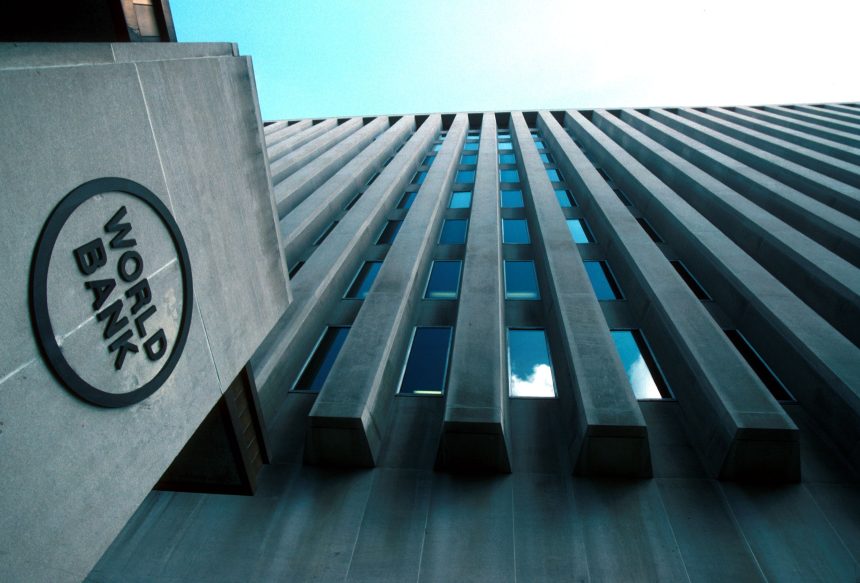
The World Bank has urged the Nigerian government to urgently reduce high import tariffs and lift certain import bans as part of a fast-track strategy to ease soaring prices and mitigate rising poverty levels across the country. The recommendation comes amid persistent inflation and escalating costs of basic goods that have strained household incomes nationwide.
World Bank’s Advisory
In a statement released on Wednesday, the World Bank emphasized that Nigeria’s current import restrictions and elevated tariffs are contributing to high consumer prices and limiting access to essential goods. The multilateral lender argued that easing trade barriers could have immediate benefits, particularly for food, agricultural inputs, and industrial raw materials.
The World Bank’s report highlighted:
- High tariffs on essential imports have increased the cost of goods and raised production costs for local manufacturers.
- Import bans on certain products, while intended to boost local production, have inadvertently limited supply and fueled price inflation.
- Rising poverty and inequality, with millions of Nigerians facing food insecurity, worsened by elevated import costs.
A senior World Bank economist stated, “Immediate reductions in tariffs and the removal of specific import bans would provide a much-needed relief to consumers, enhance market efficiency, and protect vulnerable households from the worst effects of inflation.”
Economic Context in Nigeria
Nigeria has experienced sustained inflationary pressure, with the Consumer Price Index (CPI) rising sharply over the past months. Food prices, in particular, have surged, accounting for a significant portion of household expenditure. High import tariffs and restrictive trade policies have been cited as key drivers of the price increases, alongside supply chain disruptions and global commodity volatility.
The World Bank also noted that Nigeria’s economic growth has slowed in part due to policy constraints that hinder trade competitiveness. With a large proportion of the population living below the poverty line, any measures to ease the cost of living are deemed critical.
Potential Benefits of the Recommendations
Reducing tariffs and lifting certain bans could:
Lower the cost of imported food, fertilizers, and industrial inputs.
- Increase market availability and stabilize prices of essential goods.
- Encourage local producers to compete more efficiently, fostering industrial growth.
- Support poverty alleviation by improving purchasing power among low-income households.
Analysts also suggest that such reforms would strengthen Nigeria’s position in global trade and investment, sending a positive signal to foreign investors about a commitment to liberalized and market-friendly policies.
While the federal government has yet to formally respond to the World Bank’s recommendations, officials have acknowledged the urgency of addressing rising prices and ensuring food security. The Ministry of Finance and Ministry of Trade and Investment are reportedly reviewing measures to balance protection of local industries with the need to reduce inflationary pressures.
Critics caution that sudden tariff reductions and removal of bans could impact local producers who rely on government protection from cheaper imports. As such, any policy adjustments will require careful calibration to protect domestic industries while providing relief to consumers.
Experts suggest a phased approach: targeted tariff reductions on essential items, paired with support for local industries through subsidies, capacity building, and incentives for productivity.
The World Bank’s call highlights the urgent need for Nigeria to rethink its trade and fiscal policies in the face of mounting inflation and poverty. With millions of households struggling to meet basic needs, swift and well-planned reforms could provide critical relief, stabilize the economy, and improve the welfare of ordinary Nigerians.