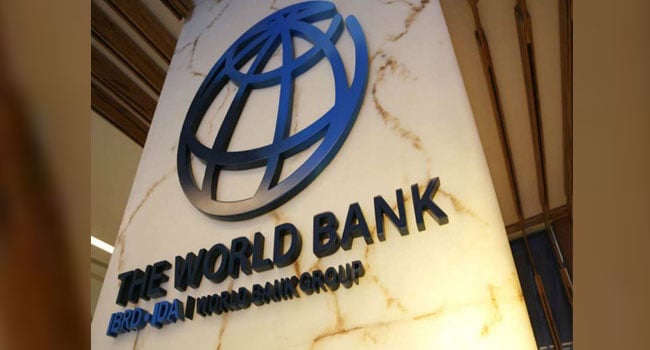
The World Bank has scheduled December 16, 2025, as the tentative approval date for a new $1 billion Development Policy Financing (DPF) loan to Nigeria under a fresh initiative tagged “Nigeria Actions for Investment and Jobs Acceleration (P512892).” The loan is aimed at supporting key economic reforms, stimulating job creation, and improving private sector participation in Nigeria’s struggling economy.
According to details obtained from the World Bank’s project information portal, the proposed $1 billion facility is designed to boost Nigeria’s fiscal resilience, investment climate, and employment generation efforts amid ongoing economic pressures. The initiative falls under the multilateral institution’s broader strategy to help developing nations navigate post-pandemic recovery, energy transition, and social protection challenges.
The “Nigeria Actions for Investment and Jobs Acceleration” program is expected to focus on policy reforms and infrastructure improvements that will facilitate private sector growth, strengthen trade competitiveness, and address structural bottlenecks limiting productivity.
Sources within the Federal Ministry of Finance confirmed that discussions between Nigerian officials and World Bank representatives have reached advanced stages, with the approval process set for presentation before the Bank’s board in mid-December.
The project comes at a time when Nigeria is facing one of its most challenging economic periods in decades, with high inflation, exchange rate volatility, and a rising cost of living. The country’s external debt currently stands above $45 billion, prompting concerns over debt sustainability and repayment capacity.
The Development Policy Financing instrument allows the World Bank to provide direct budget support to governments implementing agreed policy actions. In Nigeria’s case, the DPF is expected to finance critical economic reforms, including tax modernization, public financial management, and job-creation programs.
A top source familiar with the negotiation stated that the new loan would “complement ongoing reforms under the government’s Renewed Hope Agenda and support key sectors such as manufacturing, energy, and digital innovation.”
The project document highlights three main pillars:
- Strengthening macro-fiscal stability and governance
- Promoting private sector-led growth and job creation
- Enhancing social protection and resilience
These align with Nigeria’s broader objective of transitioning from consumption-based growth to a production-driven economy.
Economic experts and civil society groups have reacted cautiously to the news. While some welcomed the move as a potential catalyst for economic recovery, others raised concerns about Nigeria’s mounting debt burden.
Dr. Muda Yusuf, an economist and CEO of the Centre for the Promotion of Private Enterprise (CPPE), said the World Bank’s involvement could help restore investor confidence but warned that “the funds must be transparently managed and directed towards projects that directly impact productivity and job creation.”
Similarly, the Socio-Economic Rights and Accountability Project (SERAP) urged the government to ensure full transparency in the loan’s utilisation. “Every dollar borrowed must be traceable, accountable, and result in measurable outcomes for citizens,” the group stated.
A senior official from the Federal Ministry of Finance, Budget, and National Planning confirmed that Nigeria remains committed to implementing the necessary reforms tied to the DPF program.
“The facility will not only provide fiscal support but also encourage investor confidence by signaling our readiness to implement sustainable policy actions,” the official said.
The federal government is expected to outline its commitments under the program in the coming weeks, covering areas such as energy sector reforms, infrastructure funding, and trade facilitation.
This new $1 billion facility follows earlier World Bank engagements with Nigeria, including the $750 million State Action on Business Enabling Reforms (SABER) and the Nigeria Electrification Project, both designed to enhance the business climate and promote access to reliable energy.
Nigeria has also received multiple tranches of budget support loans from the World Bank over the past decade, including a $1.5 billion DPF approved in 2020 to cushion the impact of COVID-19.
With the December 16 date now tentatively fixed, attention turns to how the Nigerian government will balance this new facility against its ongoing debt obligations and domestic revenue challenges.
If approved, the $1 billion loan could provide crucial support to Nigeria’s economic stabilisation and reform efforts. However, experts warn that the success of the initiative will depend on fiscal discipline, accountability, and implementation transparency to ensure the funds translate into tangible improvements for Nigerians.