By Aisha Muhammad Magaji
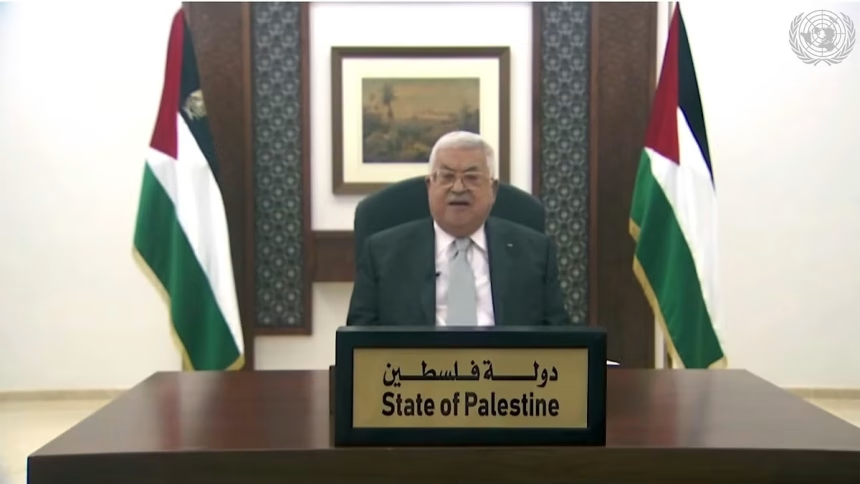
Palestinian President Mahmoud Abbas is set to address the United Nations General Assembly this week in what officials are describing as a crucial moment for renewed efforts to achieve lasting peace in the Middle East.
The speech comes amid growing international momentum for a fresh push to revive negotiations between Israel and Palestine, with world leaders urging both sides to commit to dialogue and compromise.
Diplomatic sources at the UN say Abbas is expected to use his address to reaffirm the Palestinian Authority’s commitment to a two-state solution while demanding greater international pressure on Israel to halt settlement expansions in the West Bank.
“The world cannot continue to ignore the suffering of the Palestinian people,” a senior Palestinian diplomat told reporters in New York. “This is a defining moment, and we hope the global community will act decisively.”
The peace initiative has gained traction in recent months, following high-level talks mediated by the United States, the European Union, and several Arab nations, including Egypt, Jordan, and Saudi Arabia.
UN Secretary-General António Guterres has urged both parties to seize the opportunity, warning that the status quo is “unsustainable and dangerous.”
“The people of Israel and Palestine deserve peace, dignity, and security. The time to act is now,” Guterres said on Monday.
Israeli officials have expressed skepticism about the Palestinian leadership’s willingness to compromise but have indicated a readiness to participate in dialogue under international mediation.
Prime Minister Benjamin Netanyahu, who is also attending the UNGA, said Israel remains open to peace talks but stressed that security guarantees must be at the heart of any agreement.
“Israel will always defend its people,” Netanyahu said. “We are committed to peace, but it must be a peace that ensures security and recognition of Israel as the Jewish state.”
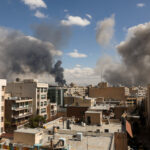
Analysts say the renewed push reflects a growing sense of urgency as violence in the region has escalated in recent months, threatening to destabilize not just Israel and Palestine but the wider Middle East.
Dr. Leila Haddad, a Middle East analyst based in London, explained: “There is real international pressure now, especially from Arab states that want to balance ties with Israel and support for Palestinian rights. Abbas’s speech will be closely watched for signals of flexibility or confrontation.”
Abbas is scheduled to speak on Thursday at the UN headquarters in New York. His address is expected to highlight Palestinian aspirations for full UN membership, international recognition of statehood, and guarantees of sovereignty.
While expectations for an immediate breakthrough remain cautious, diplomats argue that the renewed energy around peace talks could open the door to gradual progress.
For Palestinians, the speech represents a chance to rally global support; for Israel, it will test how far the world is willing to go in demanding concessions from both sides.
As one European diplomat put it: “The world is tired of this conflict, but it is also tired of false starts. Both sides must prove they are serious this time.”