The U.S. military says three American service members have died in the ongoing war with Iran. Five others suffered serious injuries.
This marks the first confirmed U.S. casualties since the conflict escalated. Officials say several more troops sustained minor injuries and are returning to duty.
According to U.S. Central Command, the deaths occurred during “Operation Epic Fury.” However, authorities did not disclose the exact location of the incident.
Operation Continues Despite Losses
In a statement, United States Central Command (CENTCOM) said combat operations are still ongoing. The command added that it will release more details after notifying the families of the fallen troops.
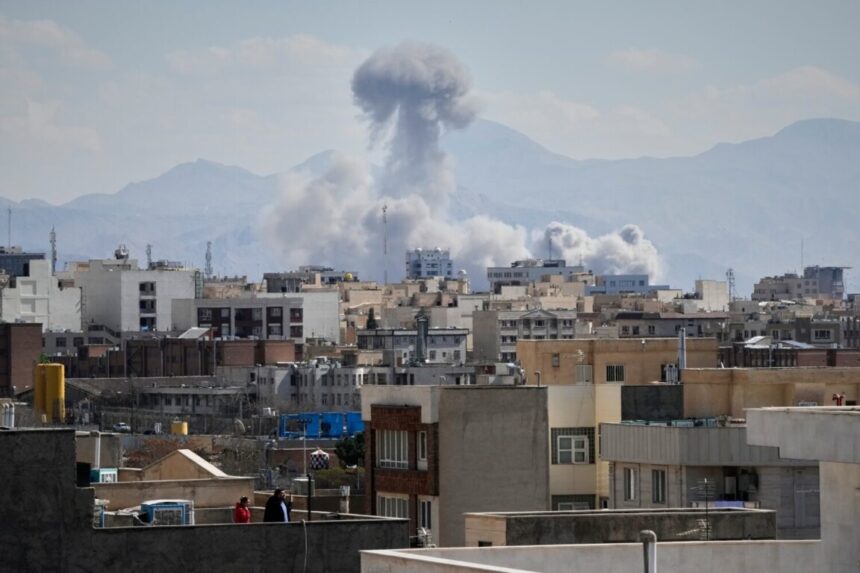
Meanwhile, U.S. and Israel forces continue large-scale strikes against Iranian targets. The attacks reportedly killed senior Iranian leaders, including the country’s supreme leader.
Donald Trump Highlights Military Gains
President Donald Trump spoke to several U.S. media outlets over the weekend. He focused on what he described as military successes.
He said U.S. forces had sunk nine Iranian naval vessels. He also claimed that dozens of Iranian leaders were killed in a single strike.
However, Trump did not mention the American casualties in his early remarks. Later, he posted on his Truth Social platform about damage to Iran’s naval headquarters.
Political Reactions In Washington
The announcement quickly drew reactions in Washington. U.S. Ambassador to the United Nations Mike Waltz wrote that “Freedom is never free.”
On the other hand, House Democratic leader Hakeem Jeffries expressed sadness over the deaths. He urged Congress to act and prevent further escalation.
As the debate continues, U.S. air and naval forces remain active in the region. Iran has also launched missiles at Israeli targets and U.S. bases.
Earlier, Iran’s Revolutionary Guards claimed they struck the USS Abraham Lincoln in the Gulf. However, CENTCOM denied the claim and said the aircraft carrier was not hit.
The conflict remains fluid. Both sides continue military actions, while global leaders call for restraint.