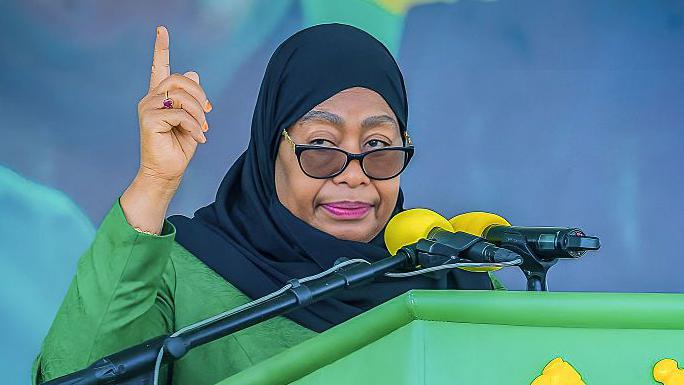
Samia Suluhu Hassan, president of Tanzania, on December 2, 2025 publicly defended the use of deadly force by security forces during post-election protests, claiming the measures were necessary to prevent an alleged attempt to overthrow the government. She described the unrest not as peaceful protests, but as “violence with malicious intentions” orchestrated to destabilize the state, a claim critics say lacks credible evidence.
According to the official narrative, security forces were justified in using force because they believed the protesters posed a threat to public order and national stability. “When we are told we used too much force … were we supposed to simply watch demonstrators attempting to overthrow the government?” the president asked during a national address.
But this version of events clashes starkly with the findings of independent investigation sources, which documented multiple instances of police firing live ammunition at largely unarmed demonstrators, many of whom posed little or no threat. The investigation used satellite imagery, geolocated videos, eyewitness testimonies, and forensic audio analysis, and identified signs of mass graves north of the capital, Dar es Salaam.
Opposition groups, including CHADEMA, say the death toll runs into the thousands. Some human-rights collectives claim as many as 3,000 people may have died, with many more unaccounted for, allegations that remain unconfirmed due to limited access and an ongoing government clampdown on information.
In response to mounting domestic and international pressure, including calls from the United Nations (UN) to probe the killings, the government announced plans on 14 November 2025 to set up a commission of inquiry intended to examine the root causes of the violence and allow for reconciliation. The president also urged authorities to show leniency to youths who may have been misled into participating in the protests.
Still, critics argue the commission lacks legitimacy if it is not independent, transparent, and empowered to hold perpetrators accountable, especially given the government’s refusal so far to release verified casualty figures or publicly identify those responsible for the killings.
Meanwhile, foreign governments and international institutions have condemned what they call “a brutal crackdown” and demanded justice for victims. The alleged mass shootings, body dumpings, internet blackout during critical days, and ongoing arrests of dissenters have fueled accusations that the crackdown constitutes one of the worst violations of human rights in recent East African history.
In defending the police, President Samia has stood firm, dismissing foreign criticism, including aid suspensions, as neo-colonial interference. She has accused critics of underestimating Tanzania’s sovereignty.