By Aisha Muhammad Magaji
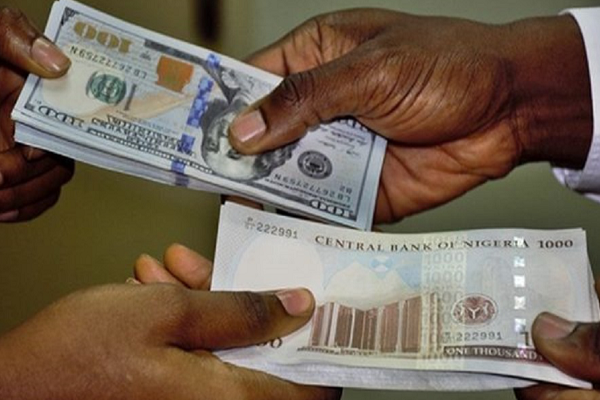
Nigeria’s external reserves have risen to $43.05 billion as of September 11, 2025, up from $40.51 billion in July, the Central Bank of Nigeria (CBN) announced on Wednesday. The increase provides the country with an import cover of approximately 8.28 months, strengthening the nation’s ability to manage external shocks and stabilize the naira.
In a related development, CBN Governor Olayemi Cardoso disclosed that 14 Nigerian banks have successfully met the new minimum capital requirements imposed by the central bank. The recapitalization exercise, which began in March 2024, requires commercial banks with international authorization to maintain a minimum capital of ₦500 billion (roughly $353 million), while national and regional banks have lower thresholds.
Governor Cardoso expressed confidence in the banking sector’s resilience, noting that the simultaneous increase in external reserves and compliance with capital requirements signals growing economic stability. He said the steps taken by the CBN are aimed at boosting investor confidence and supporting sustainable economic growth.
The Governor also linked these achievements to recent monetary policy adjustments, including the 50 basis point reduction in the Monetary Policy Rate (MPR) to 27%, designed to ease borrowing costs and stimulate credit expansion across the economy.
“The successful recapitalization of banks, alongside robust external reserves, reflects improved fundamentals in Nigeria’s financial sector,” Cardoso said. “These measures provide a solid foundation for economic recovery and growth.”
Analysts say that the strengthened external reserves and improved capitalization of banks will help the country manage currency volatility, attract foreign investment, and support trade. They also highlight that compliance with the new capital thresholds positions Nigeria’s banking sector to be more resilient in the face of global financial uncertainties.
The CBN’s initiatives, alongside broader economic reforms, are expected to sustain confidence in the Nigerian financial system while promoting macroeconomic stability.